ZOJE Parking Lock: A Practical Way to Protect Reserved Parking Spaces
Finding an empty parking space is one problem. Returning to a private space and discovering that another vehicle has taken it is another. This happens in residential compounds, office buildings, rental properties, small commercial sites, and private parking areas. Signs and painted markings are useful, but they do not always stop an unauthorized driver. The ZOJE-PL103 Parking Lock provides a simple physical barrier that helps the space remain available for the person who is entitled to use it.
The operating principle is easy to understand. When the space needs to remain reserved, the locking arm stays raised. Before entering, the authorized driver uses the remote controller to lower the arm. The vehicle can then move into the space without the driver getting out first. After leaving, the driver raises the arm again by remote control. For ZOJE, this straightforward sequence is one of the main advantages of the product: it adds control without requiring a staffed entrance or a large parking management system.
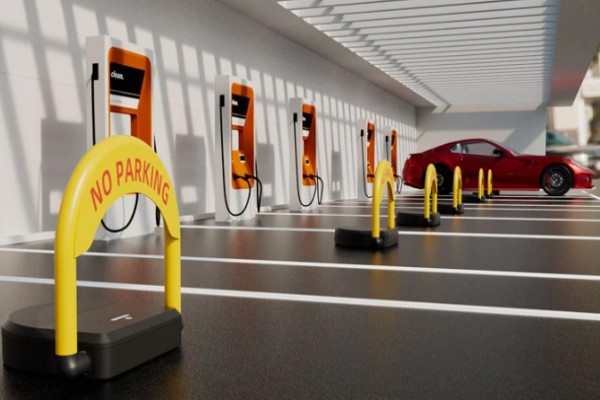
The PL103 is intended for individual parking spaces rather than the main entrance of a complete car park. A barrier gate controls vehicles at a lane, while a Parking Lock protects one specific bay. This makes it suitable for monthly or annual renters, apartment owners, condominium residents, company executives, visitors, disabled drivers, and other users who need a designated space to remain available. Several units can also be installed separately across a property where different spaces belong to different people.
Remote operation makes daily use more convenient. According to the product information, the controller can work at a distance of up to 50 metres under suitable conditions. The standard package includes two remote controllers, so the owner can keep a spare or provide one to another authorized user. Actual range may vary with walls, vehicles, interference, and the installation environment, but the remote system is designed to let the driver operate the Parking Lock from inside the vehicle in normal use.
The housing is made from high-temperature alloy steel. Its raised height is 40 cm and its overall width is 45 cm, creating a barrier that is easy for an approaching driver to notice. When lowered, the product has a height of 8 cm, allowing a vehicle to pass over the space with suitable ground clearance. ZOJE recommends confirming the vehicle type and installation position before fixing the unit to the ground, particularly where sports cars or other low-clearance vehicles may use the space.
Parking equipment is frequently exposed to rain, dust, heat, and changing outdoor conditions. The PL103 is listed with an IP67 protection rating and an operating temperature range from -10°C to +55°C. These specifications support outdoor use when the Parking Lock is installed correctly. The ground should be firm, reasonably level, and capable of holding the mounting fasteners. Water should not be allowed to remain around the base for long periods, even when the housing is designed for wet environments.
The product uses a removable 6V 7Ah battery. It can be taken from the protected compartment and charged with the supplied charger. The listed charging time is approximately eight to ten hours, which makes overnight charging practical. Before the battery is exhausted, the system gives a 20-second buzzer warning when the arm is raised or lowered. This reminder gives the user time to recharge the battery instead of discovering an unresponsive Parking Lock when the space is needed.
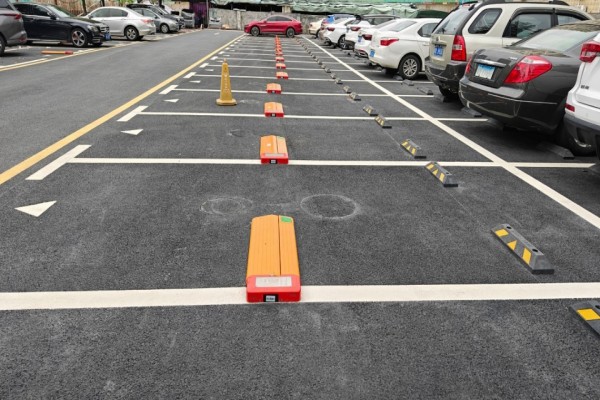
Battery-powered operation also avoids the need to run a permanent power cable to every parking bay. This can simplify installation in an existing car park where cutting the ground or adding electrical conduits would be inconvenient. Battery condition still needs to become part of routine maintenance. ZOJE suggests assigning someone to respond to the low-power warning and checking the battery before a long period of inactivity. Charging habits will depend on operating frequency, temperature, and battery condition.
A manual override is provided for situations in which the battery has lost power. This is an important practical feature because access to the space should not depend entirely on the electrical system. The product information also specifies automatic reset and an alarm response when external force is applied. Its positive and negative 180-degree anti-collision design is intended to reduce the risk of damage when the arm is pushed. Even so, the Parking Lock should be treated as an access-control device, not as a crash-rated vehicle barrier.
Installation position has a direct effect on usability. The unit should be centred within the bay so that it clearly blocks unauthorized parking while leaving enough room for the authorized vehicle to enter when the arm is lowered. Installers should check underground services before drilling and use fasteners suitable for the surface. The arm must be able to move freely without touching a wheel stop, kerb, drainage channel, or nearby equipment. A correctly positioned Parking Lock is easier for drivers to see and less likely to be struck accidentally.
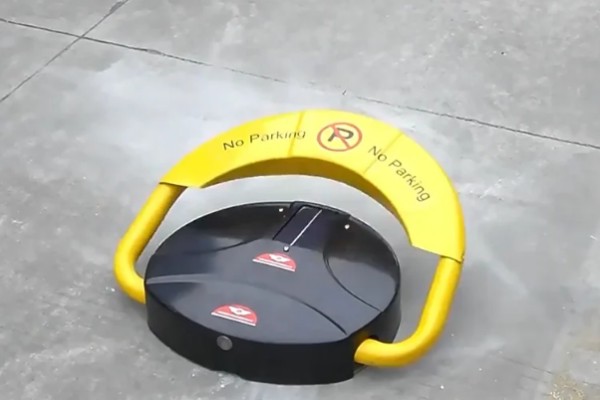
Routine care is uncomplicated. The user can keep the base clean, remove stones or other debris around the moving section, inspect the mounting bolts, and check that the arm raises and lowers smoothly. The remote controllers and manual release should also be tested from time to time. If the unit begins to move unusually or produces an unexpected sound, the cause should be checked rather than repeatedly operating it under resistance. Basic inspection is especially important at busy commercial properties where the device may be used many times each day.
The PL103 can operate as a standalone product, but it may also support a wider parking plan. A property can use barrier gates or license plate recognition at the main entrance and install an individual Parking Lock only in bays that need additional reservation. This combination separates site entry from space ownership. It can be useful when many authorized vehicles share the car park but certain spaces must remain assigned to residents, managers, visitors, or service teams.
Product selection should begin with the way the space is actually used. Buyers should consider operating frequency, vehicle clearance, remote-control conditions, outdoor exposure, responsibility for charging, and the need for manual access. ZOJE provides the technical information so distributors and project installers can determine whether a remote-controlled model is appropriate. A simple device works best when its operating limits and maintenance responsibilities are clear from the start.
For ZOJE, the purpose of the PL103 is not to make parking more complicated. It is to give the authorized user a direct way to keep one space available. With remote operation, a rechargeable removable battery, low-power warning, manual override, alarm function, IP67 protection, and an anti-collision structure, this Parking Lock addresses a familiar parking problem with a compact solution. Correct installation and regular care help it remain convenient for everyday use.