What Are the Differences Between Air-Powered Barrier and Ordinary Barrier Gates?
Barrier gate systems play a very important role in modern parking management systems, and the types of barrier gates are becoming increasingly diverse. Common types of ordinary barrier gates include straight-arm barrier gates, folding-arm barrier gates, fence barrier gates, and advertising barrier gates. With the continuous expansion of the parking management market, air-powered barrier gates are also frequently appearing in parking systems. So, what are the differences between air-powered barrier gates and ordinary barrier gates?
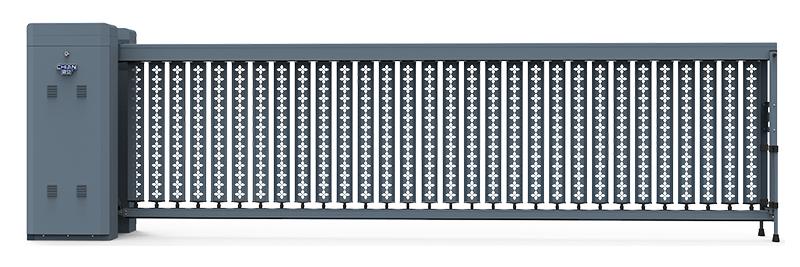
1. Structural Differences
The biggest difference between air-powered barrier gates and common ordinary barrier gates lies in their structure. Common ordinary barrier gates consist of components such as a lifting arm, transmission mechanism, casing, controller, reflector, and detector; while air-powered barrier gates are equipped with some special components, such as air pumps, cylinders, and filters, which use air pressure to drive the lifting arm. Clearly, the structure of air-powered barrier gates is more complex and relies more on aerodynamic principles.
2. Differences in Opening/Closing Speed and Installation Location
In addition to structural differences, there are also differences in the opening/closing speed and installation location of air-powered barrier gates and ordinary barrier gates. Due to the pneumatic principle used in air-powered barrier gates, their lifting arms open and close faster and more stably. At the same time, because the air source of air-powered barrier gates is not placed on the ground but is supplied through an air system, its installation location is very important. Generally, the installation location of air-powered barrier gates is slightly higher than that of ordinary barrier gates.
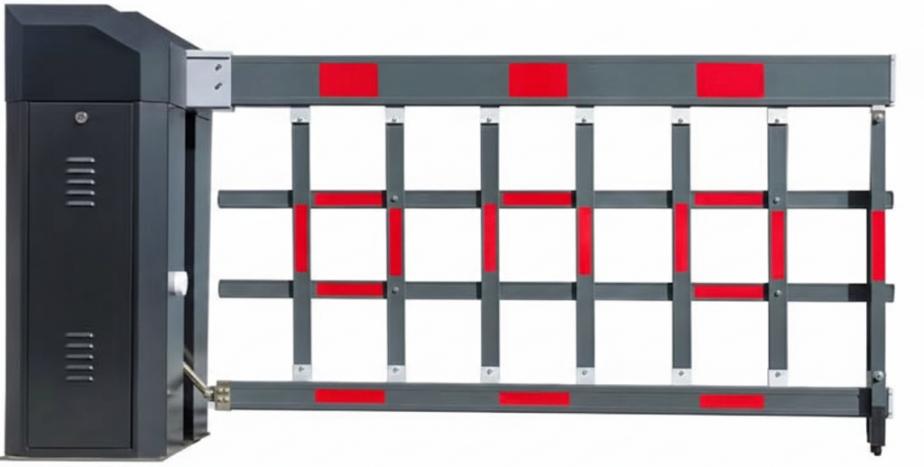
3. Differences in Price and Applicable Scope
In addition to the above differences, there are also differences in the price of air-powered barrier gates and ordinary barrier gates. Because air-powered barrier gates are more complex in structure, technology, and design, their price is relatively higher. Common ordinary barrier gates, due to their simplicity and ease of use, are more affordable and suitable for parking lots of various sizes. At the same time, the applicable scope of air-powered barrier gates is limited to situations with high usage demands. For situations with general usage requirements, ordinary barrier gates are sufficient. Air-powered barrier gates (pneumatic barrier gates) are mainly used in special places such as high-frequency traffic logistics hubs, flammable and explosive chemical parks, and extremely cold regions. With the inherent advantages of pneumatic drive, they solve the problems of ultra-high intensity wear, intrinsic safety and explosion protection, and stable operation in extreme environments that ordinary barrier gates cannot handle.
4. Differences in Maintenance Costs and Service Life
In long-term operation and management, maintenance is an indispensable aspect. Ordinary barrier gates, due to their relatively simple structure, primarily rely on motor drive and spring balance. Maintenance typically focuses on regularly checking motor wear and adjusting spring tension. In contrast, while air-powered barrier gates have a more complex structure, their greatest advantage lies in the ultra-long lifespan of their core drive components. The working principle of the air cylinder means that its physical friction is far less than that of traditional gear-driven motors, resulting in extremely high durability even with very frequent opening and closing cycles. However, this also means a higher maintenance threshold—requiring regular checks of air circuit sealing, filter cleanliness, and air compressor operation. For management, this represents an efficient option with "high initial investment and low long-term wear."
Finally, environmental adaptability is another important differentiating factor. In extremely low or high temperatures, the viscosity changes of the motor lubricant in ordinary barrier gates can affect operating efficiency. Air-powered barrier gates, however, have a relatively low sensitivity to temperature changes, maintaining stable operation even in harsh climates.
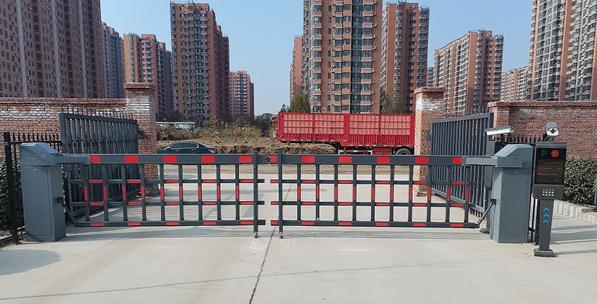
With the popularization of smart cities and unmanned parking lots, barrier gates are no longer just a simple horizontal bar, but rather data collection terminals. The future trend is that air-powered barrier gates will increasingly integrate Internet of Things technology, enabling real-time monitoring of air pressure and system health via the cloud, and providing fault warnings. Ordinary barrier gates, on the other hand, will move towards even greater cost-effectiveness, integrating license plate recognition systems to meet the cost-reduction and efficiency-improvement needs of residential communities and small and medium-sized commercial entities.