Where Are Electric Hydraulic Bollards Suitable for Use?
Electric hydraulic bollards, also known as electric or automatic bollards, are intelligent traffic control systems widely used in road management, construction site access control, and other fields. They utilize an electric control system to raise and lower the bollards, effectively managing and restricting traffic flow, improving road safety, and protecting important areas from unauthorized vehicle intrusion. Thanks to their flexibility and adaptability, electric hydraulic bollards can be used in various locations and customized to meet specific needs.
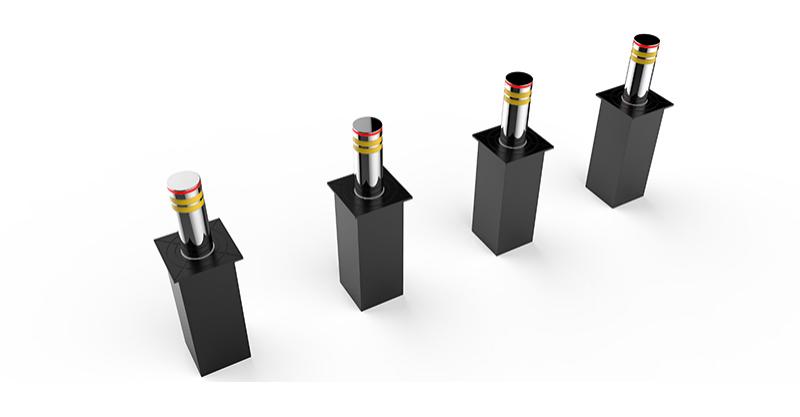
1. Operating Principle of Electric hydraulic bollards:
Electric hydraulic bollards typically consist of a motor drive system, a bollard control system, and sensors. The motor drives the bollard to raise and lower. The control system receives commands and activates the motor, allowing the bollard to complete the raising and lowering process in seconds. The control system is typically equipped with multiple functions, such as remote control, timed control, and sensor control, to adapt to the needs of different scenarios.
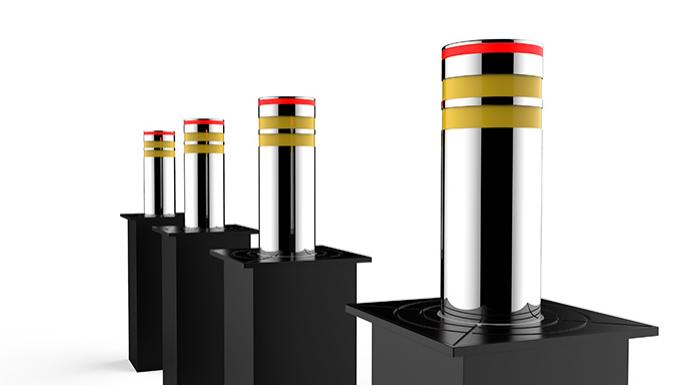
2. Applicable Locations:
a) In urban road and street management, electric hydraulic bollards are commonly used to control vehicle access, especially in lanes for non-motorized vehicles, sidewalks, and commercial areas. By installing these bollards, traffic management departments can automatically restrict vehicular traffic as needed, preventing congestion, improving road safety, and ensuring the safety of pedestrians and non-motor vehicles.
b) Parking Lots and Private Locations:
In large commercial areas, residential communities, hotels, office buildings, and other locations, electric hydraulic bollards can be used to restrict access to parking lots or building entrances to unauthorized vehicles. When used in conjunction with license plate recognition systems or remote control devices, these bollards can ensure that only authorized users and vehicles can access specific areas.
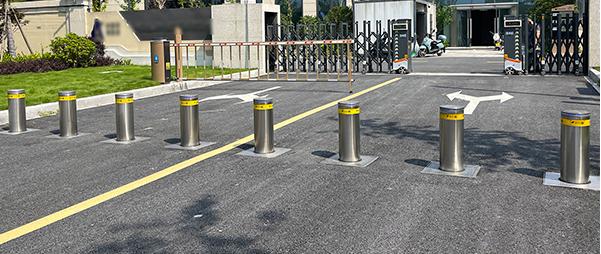
c) Government Agencies and Critical Infrastructure Protection:
At government agencies, military bases, banks, embassies, and other special and important places, electric hydraulic bollards are crucial equipment for preventing unauthorized entry and protecting national security and critical facilities. These locations typically have stricter security requirements for entrances and exits. Electric hydraulic bollards can prevent access by unauthorized vehicles and can be raised and lowered quickly in emergencies to ensure security in specific areas.
d) Airports, Train Stations, and Ports:
Electric hydraulic bollards are also widely used at major transportation hubs such as airports, train stations, and ports. Their function is not only to manage vehicle access but also to provide security and order in these locations. Especially during peak hours, electric hydraulic bollards can regulate traffic flow quickly and flexibly, ensuring efficient passage.
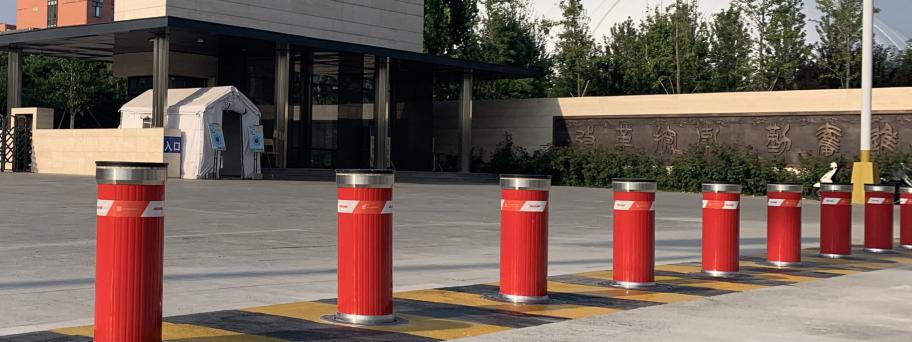
3. Adaptability of Electric hydraulic bollards:
Electric hydraulic bollards are highly adaptable, and their function and design can be customized to meet the needs of different locations:
a) Flexibility and Intelligent Control: Electric hydraulic bollards can be equipped with various intelligent control methods depending on the needs of each location, such as remote control, timed control, and sensor control. For example, using a remote control system, electric hydraulic bollards can automatically raise and lower at specific time intervals, ensuring they do not occupy traffic resources during off-peak hours and improving traffic efficiency.
b) Safety: Electric hydraulic bollards are made of robust and durable materials, are impact-resistant, and can effectively prevent accidental collisions, protecting the safety of people and surrounding property. Their protective function is especially important in locations where it is necessary to prevent the entry of unauthorized vehicles.
c) Adaptability to Diverse Climates: Electric hydraulic bollards typically possess characteristics such as resistance to high and low temperatures, impermeability, and dust resistance, allowing them to adapt to various adverse weather conditions. For example, in cold regions, the design of electric hydraulic bollards incorporates antifreeze measures; while in warm regions, they offer good heat dissipation performance.
d) Aesthetics and customized design: The exterior design of the electric hydraulic bollards can be customized to suit different usage scenarios, ensuring that they blend seamlessly with the surroundings and do not detract from the aesthetics of the location. Especially in urban centers and cultural areas such as scenic spots, the design of the electric retractable bollards harmonizes with the surrounding architectural style without disrupting the landscape.