Practical Application of Facial Recognition Turnstiles in Scenic Area Ticketing
Facial recognition turnstiles offer significant advantages in scenic area ticketing. By using facial recognition turnstiles, tourists no longer need to wait in long lines to enter the scenic area. They simply stand in front of the turnstile and have their face scanned for quick entry. This verification method greatly reduces waiting times and improves the capacity of scenic areas to handle visitor traffic. The facial recognition turnstile system efficiently identifies and verifies passenger identities, ensuring that every visitor entering the park is authorized. Compared to traditional manual ticketing, facial recognition technology undoubtedly improves ticketing efficiency and accuracy. At the same time, it provides real-time data support for scenic area managers, helping them better plan and allocate resources, thereby further optimizing the overall visitor experience.
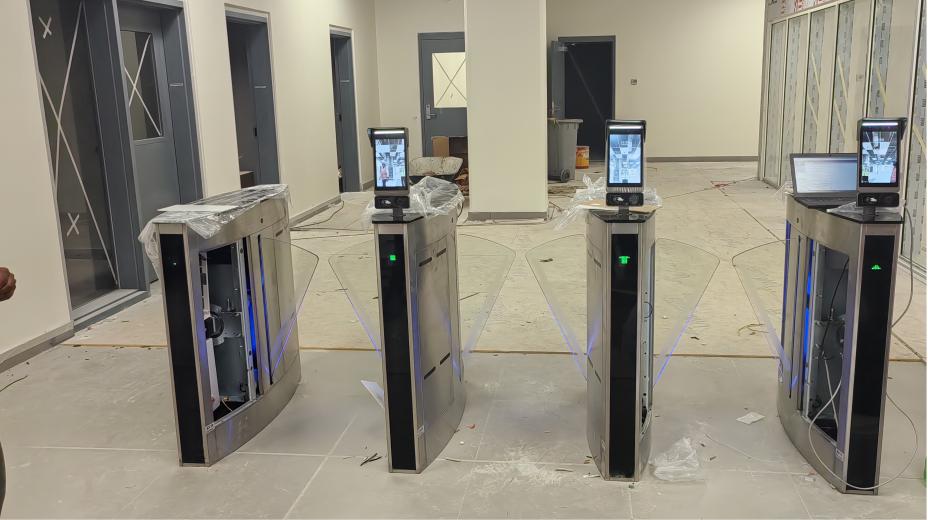
Facial recognition technology is becoming increasingly popular in scenic area ticketing, providing tourists with a more convenient entry experience. Tourists no longer need to carry easily lost paper tickets or easily forgotten ID cards; they can simply enter the scenic area with facial authentication. In addition, facial recognition technology enhances security by preventing ticket transfer or forgery, thus protecting the rights of every visitor. More and more scenic areas are adopting such intelligent turnstile systems, truly achieving paperless ticketing and efficient management, fully demonstrating the importance of modern technology in improving the visitor experience.
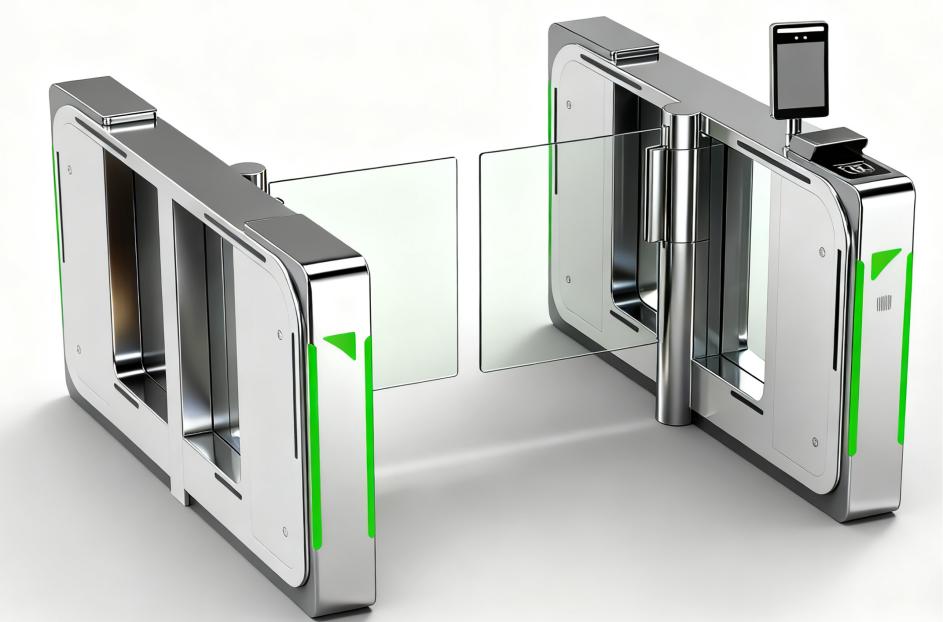
Against the backdrop of frequent population movement and continuous upgrading of tourism consumption, scenic areas face multiple challenges, including high pressure from peak visitor flows, rising labor costs, and increased difficulties in security management, while simultaneously striving to improve service efficiency. Facial recognition turnstiles, as a key entry device in the construction of smart scenic areas, are gradually moving from "technological experimentation" to "large-scale application," becoming an important tool for scenic areas to achieve digital and intelligent management.
From an industry application perspective, facial recognition turnstiles not only solve the problems of low efficiency and congestion associated with traditional ticket checking methods, but also effectively promote the implementation of real-name management in scenic areas. By linking facial information with the ticketing system and identity information, the system can accurately identify visitors, achieving "one person, one ticket, one face for entry," thus preventing ticket scalping and repeated entry. This biometric verification method improves passage efficiency while further standardizing the operation of scenic areas.
In actual application, facial recognition turnstile systems are usually deeply integrated with a back-end management platform, enabling real-time data collection and analysis of entry data. Scenic area managers can intuitively understand the current number of visitors entering and within the park, as well as historical visitor flow trends, through a visual interface, providing data support for crowd control during peak periods, personnel allocation, and emergency management. Especially during holidays or large events, these systems play an irreplaceable role in ensuring the safe and orderly operation of scenic areas.
From a technological development perspective, current facial recognition algorithms have made significant progress in complex lighting conditions, multi-angle recognition, and rapid comparison, with continuously improving recognition speed and accuracy, enabling the turnstiles to operate stably in high-traffic scenarios. At the same time, the equipment design also focuses more on the user experience, achieving "instant recognition and seamless passage" through contactless recognition and a rapid response mechanism, effectively reducing the time visitors spend at the entrance.
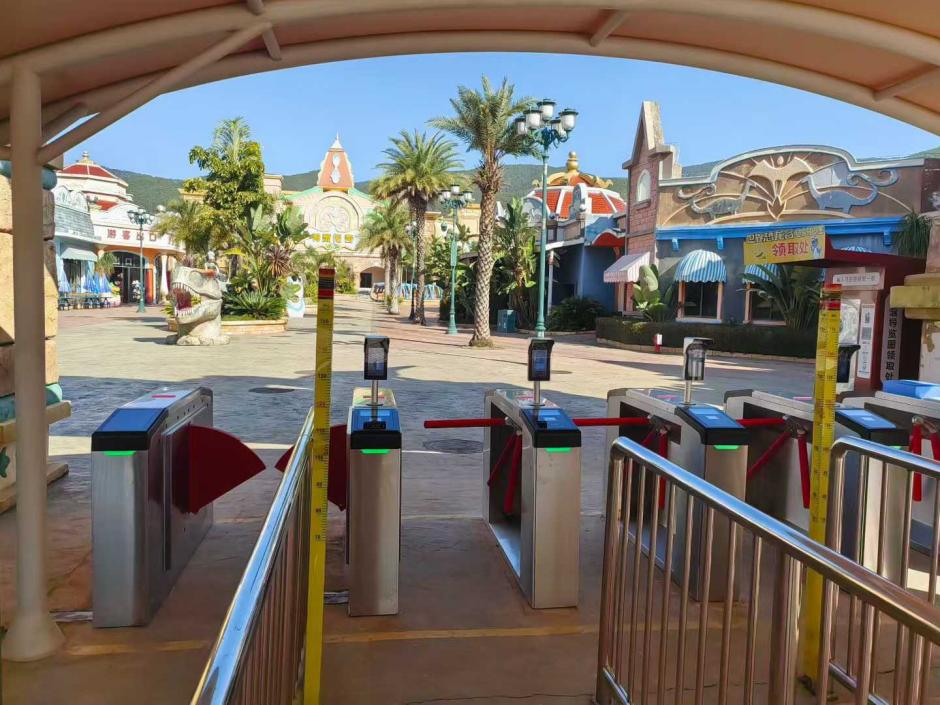
Notably, with the continuous strengthening of relevant regulations and data security awareness, facial recognition turnstiles are increasingly prioritizing privacy protection and compliance management during their application. Currently, mainstream systems support encrypted data storage, hierarchical access control, and data anonymization, ensuring that visitors' personal information is used legally, compliantly, and securely. This trend not only enhances visitors' trust in smart ticketing systems but also lays the foundation for the sustainable development of the industry.
In the overall layout of smart tourism, facial recognition turnstiles are gradually integrating with more application scenarios. For example, they are combined with membership systems to provide exclusive fast lanes for annual pass holders and VIP visitors; and linked with big data platforms to analyze visitor behavior preferences, assisting scenic spots in service optimization and business layout adjustments. Some scenic spots also use facial recognition technology to achieve cross-attraction access and joint ticket management, further enhancing the overall visitor experience.
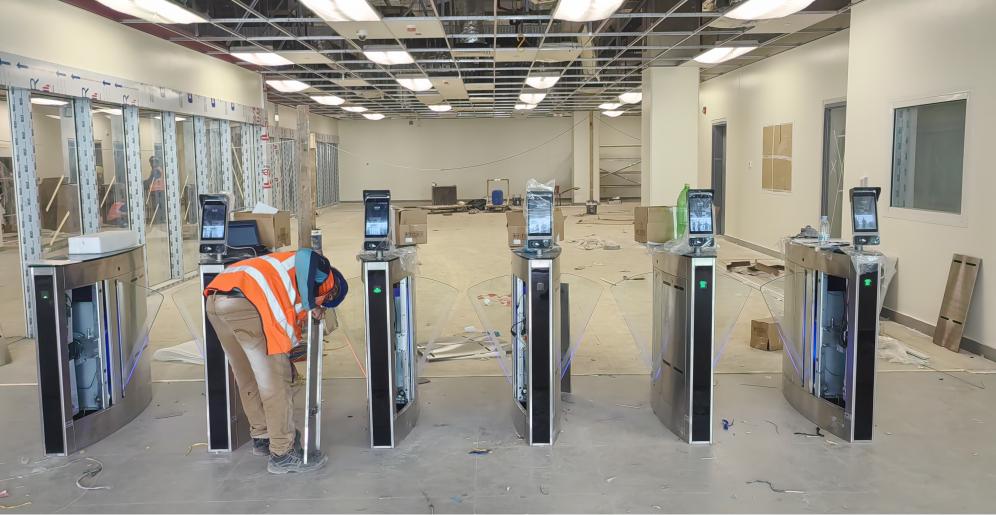
The widespread application of facial recognition turnstiles in scenic spots is an important manifestation of the digital transformation of the tourism industry. It is not just a single access control device, but also an important entry point connecting visitors, scenic spot management, and service systems. With the gradual reduction of technology costs and the continuous maturation of application experience, these smart turnstiles are expected to be promoted in more types of scenic spots in the future, including theme parks, cultural heritage sites, and nature reserves, contributing to the high-quality development of the industry.