Tired of Server Crashes at the Gate? Meet ZOJE's ANPR Camera
Parking access control has not changed much in the past decade. You install a camera at the entrance, run a cable to a server in the back office, load recognition software on that server, and hope the network between the two never goes down. If the server crashes, the gate stops working. If the network cable gets cut during construction, every car has to be waved in manually. We have seen this happen on site more times than we can count.
Our team at ZOJE started asking a simple question: why does the recognition have to happen somewhere else? The camera is already looking at the plate. It has a processor inside. What if we put the recognition algorithm right on the device, so the camera itself decides whether a car is allowed in and triggers the gate directly? That is the idea behind this ANPR Camera. It is not a new sensor attached to an old system. It is a self-contained access control unit that happens to look like a camera.
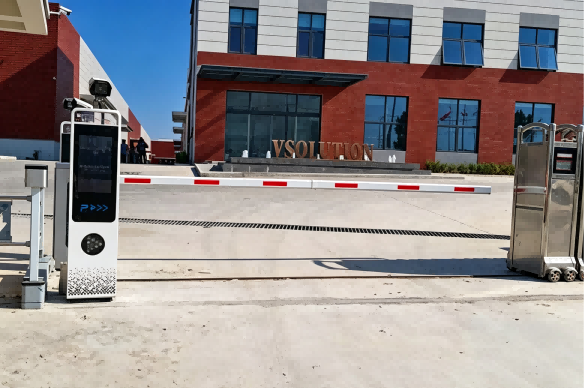
The biggest difference between this ANPR Camera and a traditional setup is where the processing happens. On a standard system, the camera sends a video stream to a backend server. The server runs the recognition, checks the plate against a white list, and sends a signal back to open the gate. That is three steps, two network hops, and one point of failure.
Our unit does all of that on the device itself. The camera captures the plate, the onboard processor runs recognition in real time, it checks the result against a locally stored white list, and it triggers the gate relay directly. The whole sequence takes less than a second. If the network goes down, the unit keeps working because it does not need the network to make a decision. At ZOJE, we tested this at a construction site where the internet was out for two days, and the gate never missed a vehicle.
This front-end approach also saves money. A traditional installation requires a server, a software license, and sometimes a separate recognition box per lane. Our ANPR Camera replaces all of that with one device per lane. For a site with four entrances, that is four fewer servers to buy, configure, and maintain.
Putting recognition on the device is only useful if the recognition is actually good. ZOJE spent over a year tuning the algorithm inside this ANPR Camera on real plates from different countries, because a system that works perfectly in China may struggle with the plate formats used in Southeast Asia, the Middle East, or Latin America.
The numbers speak for themselves. The comprehensive capture rate is above 99.99 percent, meaning the camera almost never fails to detect a plate in its field of view. The recognition rate is above 99 percent. Those are not lab numbers on a clean test bench — they are averages from field installations, including night driving, rain, plates with dirt on them, and cars approaching at an angle.
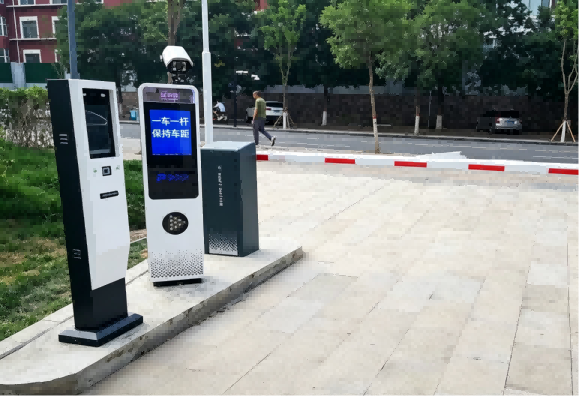
A big part of that accuracy comes from the intelligent ISP and the built-in fill light. The camera runs at 1920 by 1080 resolution with a 6mm fixed lens, and the image processor adjusts exposure and contrast dynamically based on the scene. At night, ten integrated LED beads switch on automatically, delivering more than 50 lux of illumination at five meters. The brightness adjusts itself based on ambient light, so it does not blind drivers on a dark road and does not waste power when there is already enough street lighting. The lowest illumination rating is 0.01 lux in color mode, which means it can read a plate on a road with nothing but moonlight.
We get asked about language support more than almost any other feature, and for good reason. Most recognition software on the market is written in Chinese or English first, and other languages are added as an afterthought with broken translations.
ZOJE's software supports more than thirteen languages out of the box, including Spanish, Portuguese, French, Arabic, and Russian. The interface runs on the built-in LCD screen, so the installer does not need a laptop to configure the unit. You set up the white list, adjust the recognition zone, and test the gate trigger all from the screen on the device. For sites that need central management, the unit also supports standard network protocols and can push recognition data to a management platform over TCP/IP or RS485.
The unit stores up to 512 gigabytes of records on a local TF card, so even if it is running completely offline, every entry and exit is logged with a timestamp, plate number, and photo. That matters for sites that need an audit trail but do not have a reliable internet connection.
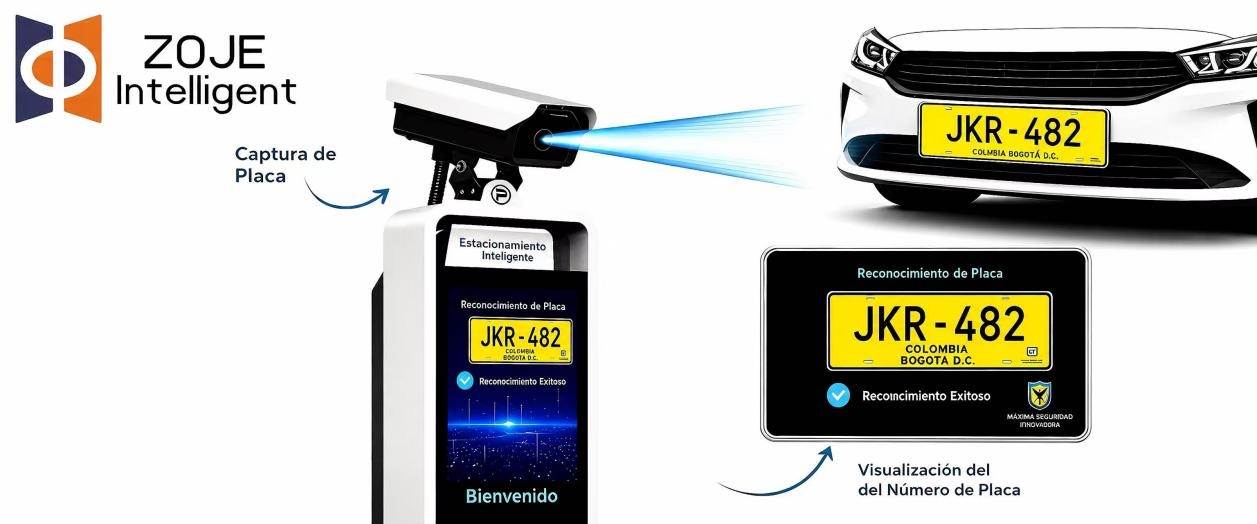
Parking entrances are not climate-controlled server rooms. They are out in the sun, the rain, the snow, and the dust. We designed this ANPR Camera to work in all of it, because ZOJE has customers installing equipment on every continent and we know what "outdoor" really means. The operating temperature range is minus 35 to plus 70 degrees Celsius, which covers everything from a winter parking lot in northern Europe to a summer construction site in the Middle East. The housing is sealed against dust and moisture, and the fill light and lens are protected by hardened glass.
Installation is straightforward. The unit comes with a mounting bracket and a standard pole mount. You run one power cable and one network cable, configure the white list on the screen, and you are done. The whole process takes about twenty minutes per lane, compared with half a day or more for a traditional server-based setup.
This ANPR Camera is a good fit for any site that needs vehicle access control without the complexity and cost of a full server-based system. That includes residential parking garages, commercial building entrances, factory gates, logistics yards, hotel parking, and government facilities. It is particularly well suited to sites with multiple lanes, because each lane runs independently and a problem in one lane does not take down the whole system.
We are shipping the LPR 201 now, and every ANPR Camera goes through a 72-hour continuous recognition test before it leaves the ZOJE factory. We run plates at different speeds, different angles, and different light levels, and we do not pack the unit until it passes every test. The product carries CE certification and is built under ISO 9001:2015 quality management, with a two-year warranty as standard.
If you are working on a parking project and want to see the unit in action, our sales team can arrange a live demo or send a sample for evaluation at your site. We also offer custom branding and software localization for distributors and system integrators.