Parking Guidance Systems and the Shift From Searching to Finding
The number of parking spaces a building advertises and the number a driver can actually use are two different figures. A garage can be half empty and still feel full, because the empty spaces are scattered across levels, zones, and corners that nobody thinks to check. That gap between capacity and usability is where the parking guidance system earns its place. ZOJE supplies the system as a set of detectors, indicator lights, display screens, and management software that work together, and the effect on a large underground garage is easier to measure than to describe.
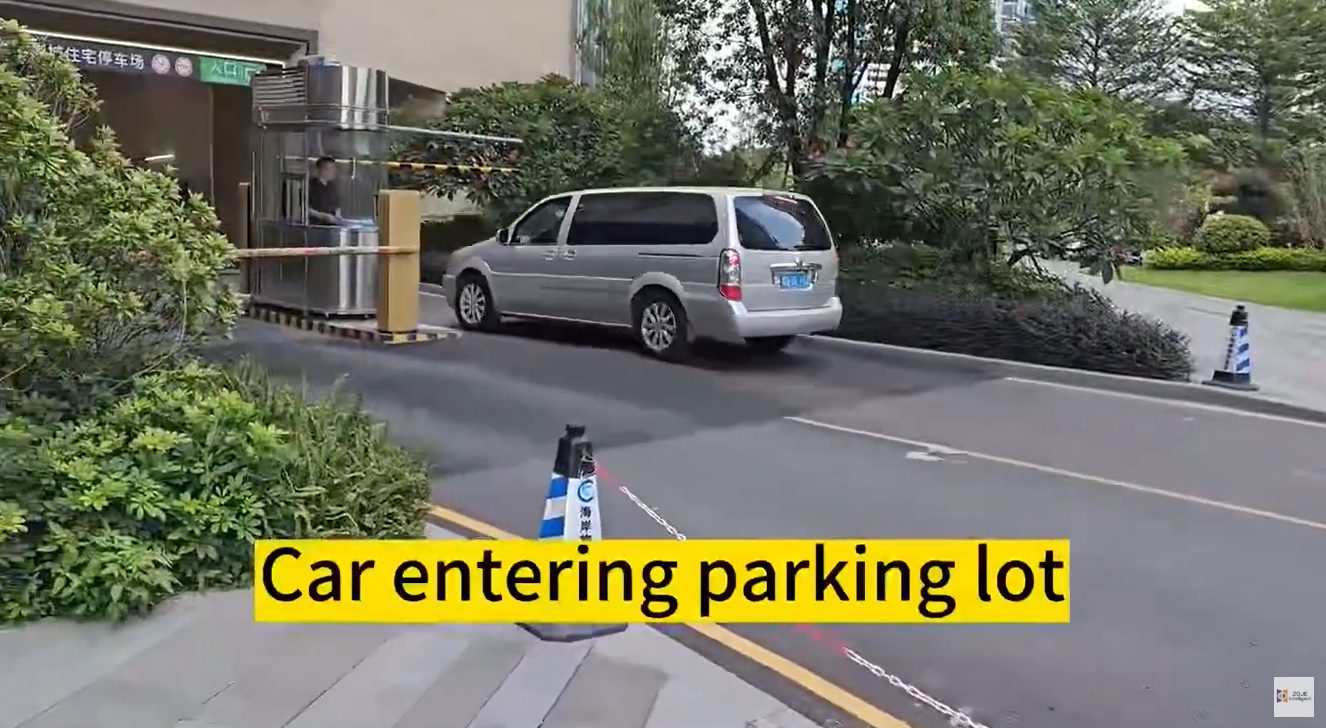
The problem the system solves is older than the technology. Drivers enter a garage, follow the ramp down two levels, circle a zone, find nothing, drive back up, and repeat. The cost shows up as time lost, fuel burned, exhaust added to an enclosed space, and frustration that colors the rest of the visit. A shopping center loses sales when a customer gives up and leaves. A hospital loses more when a visitor misses an appointment because the parking took twenty minutes. None of those losses appear on a balance sheet, which is why the parking guidance system stayed optional for so long.
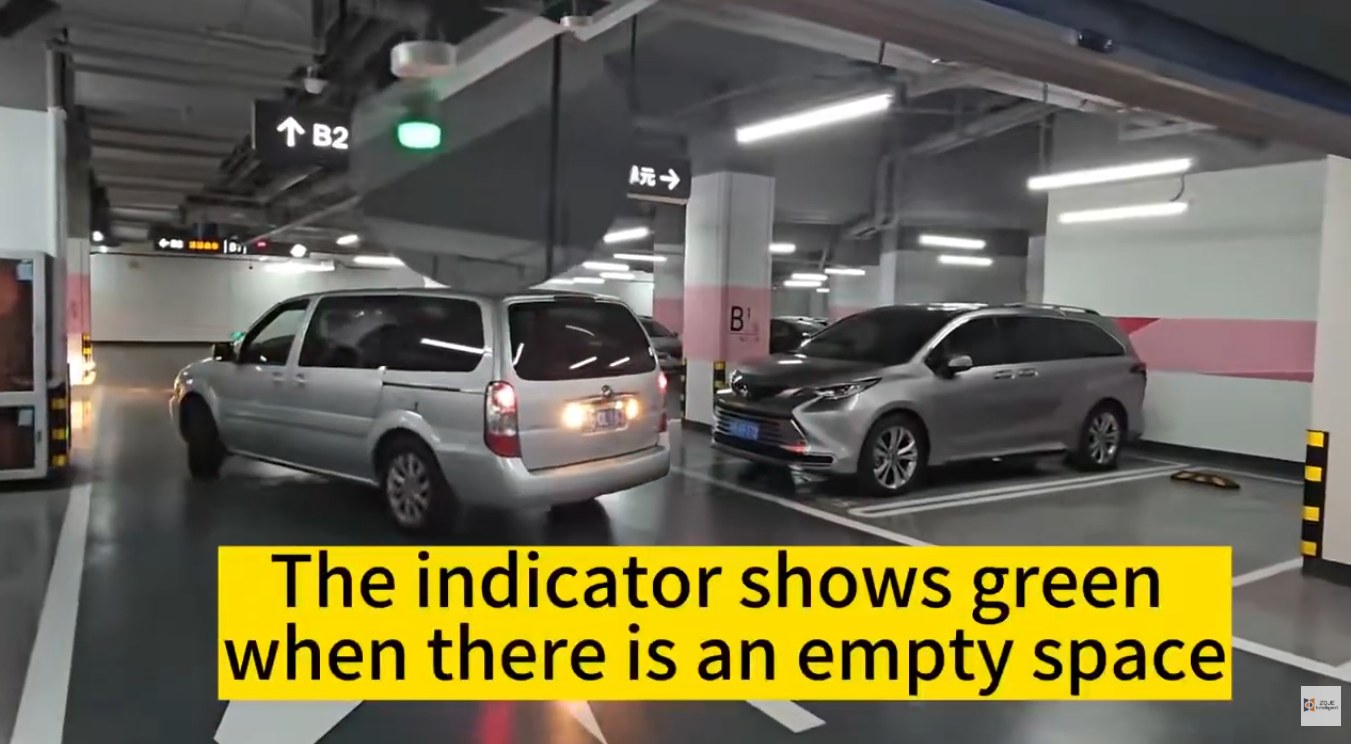
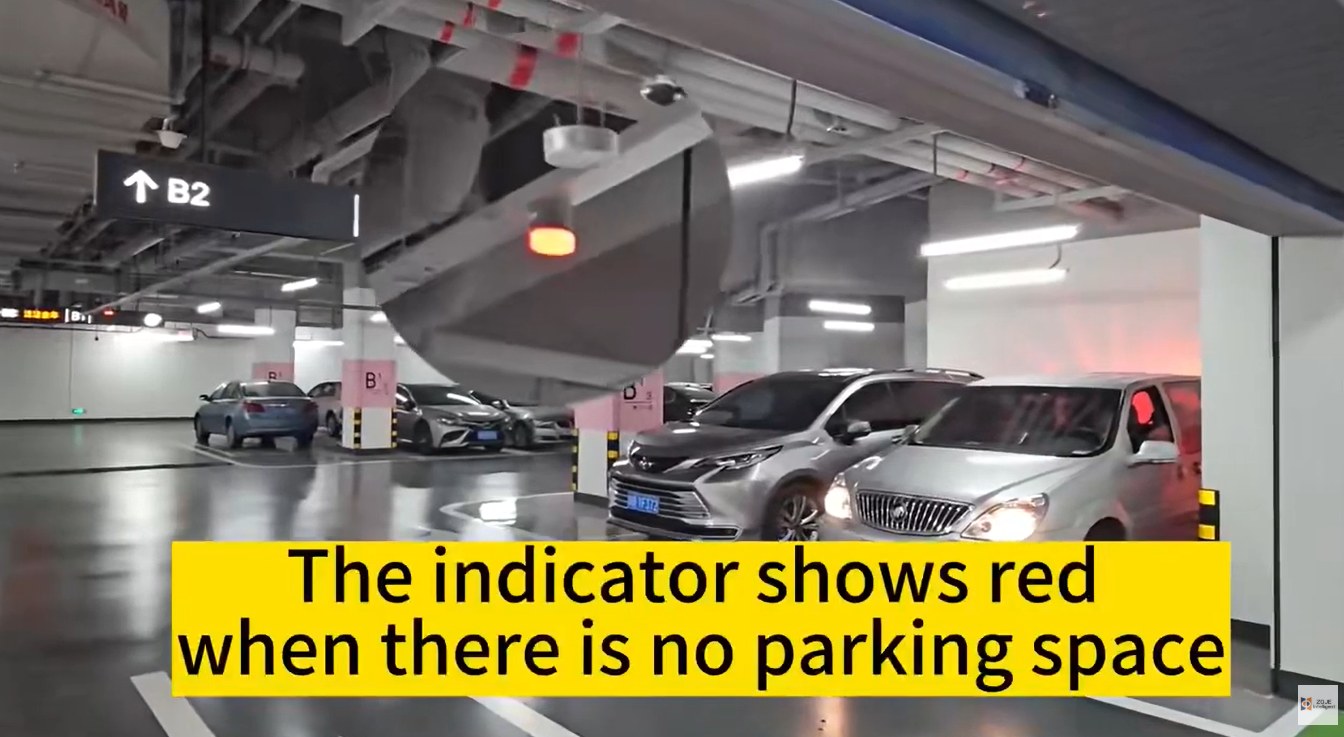
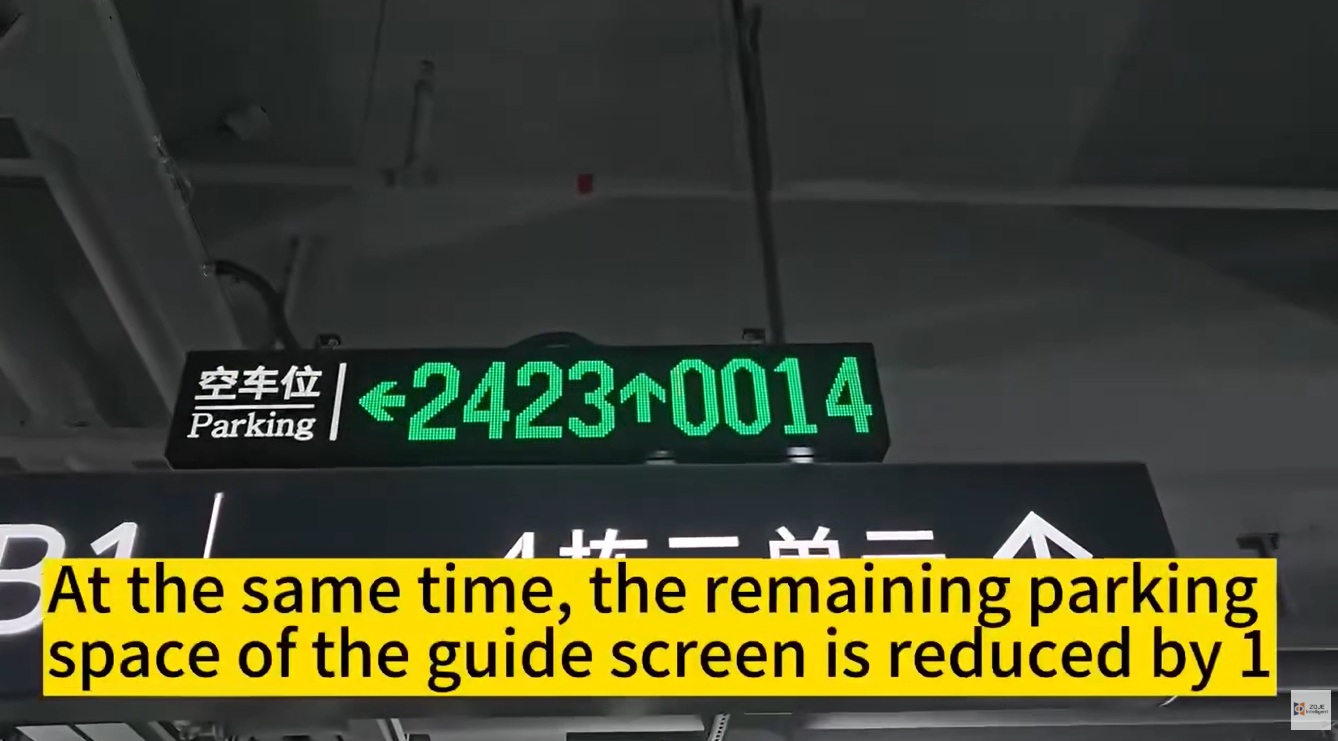
The mechanics of a parking guidance system are straightforward. A detector sits above each space, either an ultrasonic sensor or a video unit, and reports whether the bay is occupied. The system collects every report in real time and calculates the remaining count for each zone, each level, and the garage as a whole. Indicator lights above the bays show green for vacant and red for taken, so a driver can read a row at a glance. Zone displays at each crossroad point toward the direction with available spaces, and an entrance board shows the totals per floor before the car even enters. As a vehicle takes a bay, the count drops by one; as it leaves, the count rises again. ZOJE builds the detection layer so the count updates the moment a vehicle enters or leaves a bay, with no manual correction needed.
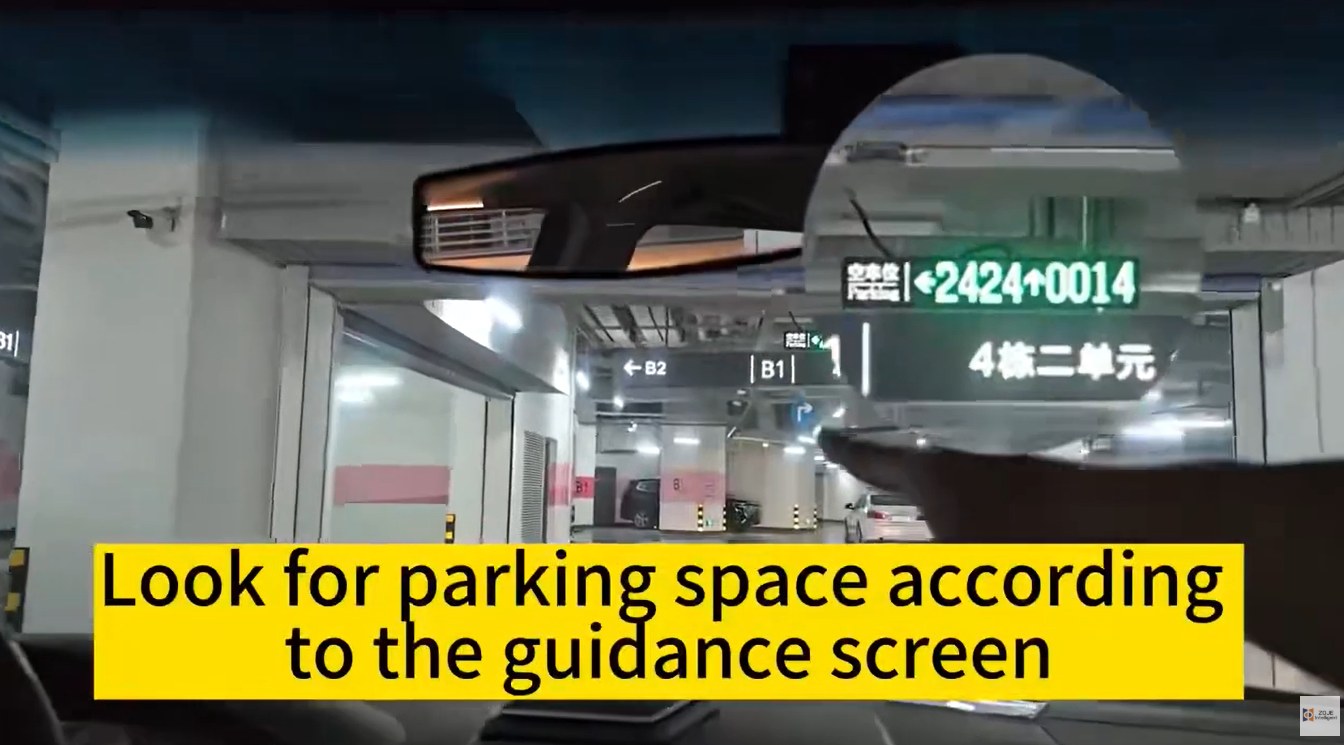
The immediate benefit is a shorter search. Studies of large garages consistently show that a parking guidance system cuts the time to find a space by a substantial margin, and the secondary effects follow: less circulating traffic on each level, fewer cars queueing at the ramp, and a calmer environment inside the garage. For a facility with hundreds of spaces and several zones, the difference between a guided and an unguided search is measured in minutes per vehicle per visit, which compounds across thousands of visits a week.
The parking guidance system also changes how the garage is managed. Every detector feeds a record of occupancy over time, so the operator can see which zones fill first, which stay empty, and how long vehicles stay. That data supports decisions that were previously guesswork: where to place the charging bays, which zone to reserve for monthly pass holders, whether a level should be reconfigured, and when the peak arrives on a normal weekday. ZOJE pairs the detection layer with management software that produces these reports, and the same software drives the displays.
Two detection technologies carry the parking guidance system market, and the choice depends on the project. ZOJE configures the detector type per zone rather than per project, so a single garage can mix both without a second management platform. Ultrasonic detectors are inexpensive, stable, and unaffected by lighting, which makes them the default for large garages with tight budgets. Video detectors cost more per bay, but they can read plates at the same time, which enables reverse vehicle search: a driver enters a plate number at a kiosk and the system points to the exact bay where the car is parked. ZOJE supplies both options and mixes them where a project needs the economy of ultrasound in most zones and the plate capability in a premium section.
The applications extend well beyond shopping centers. Government office buildings, railway stations, airports, hospitals, university campuses, and large residential communities all run the same logic, and the requirements differ mainly in scale and in how the guidance integrates with the rest of the building. A residential garage with fixed owner bays uses the parking guidance system to manage visitor parking and to show where guests may park. A transport hub uses it to spread arrivals across levels and keep the drop-off lanes clear. A mixed-use development uses it to separate retail, office, and resident zones with different access rules.
The direction of the market, in China and abroad, is from indication toward integration. In China, the parking guidance system started as a stand-alone product with indicator lights and count displays, then merged with video detection and reverse search, and now connects to the license plate recognition and payment systems that handle entry and exit. The next step, already visible in newer projects, is the sharing of space data with booking platforms and with the building's own management platform, so a driver can reserve a bay before arriving and the garage can adjust pricing by zone and hour.
Overseas markets follow the same arc at different speeds. Large garages in Europe and the Middle East have used guidance for years, and newer commercial developments in Southeast Asia and Latin America are adopting it as part of the standard parking package rather than as an upgrade. The drivers in those markets expect the same experience they get in a modern mall at home, and the operators expect the data to justify the investment. ZOJE designs the system to work with local voltage, local display languages, and the parking management software already in use on site.
For a garage operator, the parking guidance system is one of the few investments that improves the experience and the operation at the same time. It shortens the search for the driver, raises the turnover of each bay, and produces the occupancy data that makes planning possible. ZOJE supplies the detectors, the displays, and the software as one package, with the detection method chosen per project and the integration with the entry and payment systems arranged before delivery.