How LPR Technology Simplifies Cashless Parking Management
The way drivers pay for parking has changed faster than the parking lot itself. Ten years ago, leaving a garage meant finding cash, handing it to an attendant in a booth, and waiting for change while the queue behind you grew. That model still exists in many cities, but it is being replaced by a simpler one: the car's license plate becomes the ticket, and the phone becomes the wallet. An LPR system reads the plate at the entrance, tracks the vehicle while it is parked, and matches the plate against a payment record when the car reaches the exit. ZOJE recently deployed this setup at a residential parking project in Malaysia, where drivers scan a QR code to pay before they drive out, and the barrier opens automatically when the LPR system confirms the plate has been paid.
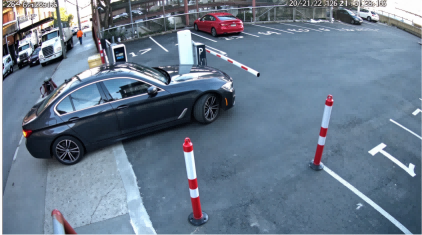
The flow is straightforward from the driver's side. At entry, the camera reads the plate, the LPR system checks it against the whitelist, and the barrier rises without the driver stopping, reaching for a ticket, or rolling down a window. Residents whose plates are registered pass through every day without any interaction. Visitors get a normal entry record. When it is time to leave, the visitor scans the payment QR code posted around the parking area, pays the amount shown for that plate, and drives to the exit. The exit camera reads the plate again, the LPR system confirms the payment is settled, and the barrier opens. The driver never talks to a person and never touches cash.
That small change in the departure routine removes the biggest bottleneck in a parking operation: the exit queue. When payment happens at the barrier, every car stops for ten to thirty seconds while the attendant checks, takes money, and gives change. Multiply that by a rush hour of vehicles leaving at the same time and the queue spills out onto the street. With prepayment inside the lot, the exit becomes a verification point instead of a payment point. The LPR system confirms the plate and opens the gate in under a second, so cars keep moving and the exit lane stays clear. This is the pattern ZOJE has seen deliver the fastest return in cashless parking projects.
For the operator, the benefits are about more than smoother traffic. Cash handling disappears, along with the counting errors, the change shortages, and the occasional dispute over whether a note was paid. The LPR system logs every entry and exit with the plate number, the timestamps, and the payment status, which gives the operator a record to reconcile against the payment platform at the end of each day. Unpaid vehicles are flagged automatically, and a plate that leaves without payment is in the report, not lost in someone's memory. ZOJE configures these reporting rules with each operator, so the daily settlement matches how that site actually charges.
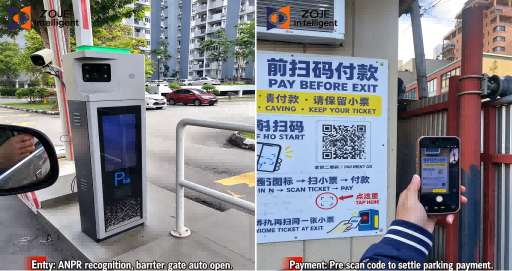
The trend behind this project is not unique to Malaysia. In China, mobile payment parking spread first, starting with QR code payment and moving toward fully invisible payment where the plate is linked to an account and the fee is deducted automatically. In Southeast Asia, the same pattern is following at a different pace. Malaysia has its own widely used e-wallets and instant payment rails, Indonesia has standardized on QRIS, and Thailand is rolling out similar channels. An LPR system that connects to those local payment methods is what turns a parking lot from a cash operation into a digital one, without asking drivers to install a foreign app.
Latin America and the Middle East are moving in the same direction, driven by the same pressures: labor costs, the difficulty of staffing booths around the clock, and drivers who expect to pay with their phones. The hardware requirement stays the same across these markets. The camera has to read plates reliably in rain, fog, glare, and darkness, because a misread plate means a car that cannot leave smoothly. The recognition has to run locally so the entrance keeps working when the network is slow. And the software has to integrate with a specific payment ecosystem, which is where a system designed for international deployment earns its keep. ZOJE delivers the LPR system against each market's plate standards and payment channels rather than forcing one configuration on every site.
ZOJE builds the LPR system as a complete package rather than a collection of parts. The ANPR camera handles the recognition at each lane, the barrier responds to the open signal from the LPR system, and the management software holds the whitelist, the blacklist, and the payment records. The system accepts the local payment channel for the market it ships to, and the operator configures the tariff structure, the free period, and the monthly pass rules on the management side. A residential project can separate residents from visitors automatically, and a commercial lot can apply different rates for weekday, weekend, and long-stay parking.
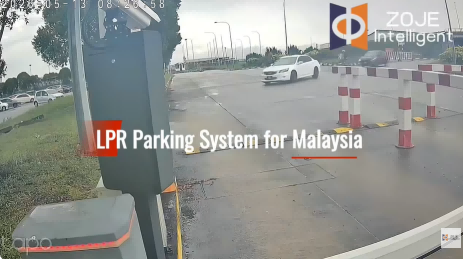
Integration with the payment platform is handled before delivery, not discovered during installation. ZOJE works out the payment interface with the customer or the local integrator, confirms the settlement flow, and configures the system so that a settled payment record is visible to the exit lane the moment the driver pays. That preparation is what makes the Malaysia project run smoothly, and it is the same process applied to every market where the payment rails differ.
For a parking operator planning to move away from cash, the LPR system is the piece that ties the entrance, the exit, and the payment platform together. It removes the booth, shortens the exit queue, and gives the operator a clean digital record of every vehicle. ZOJE supplies the cameras, the barriers, and the management software as one system, and the sales team can work out the payment integration for the target market before the equipment ships.