Smart Campus Anti-Tailgating: How to Manage Entrances and Exits Using Hierarchical Access Control?
As smart campus development enters a new phase in 2026, an increasing number of enterprises are shifting the focus of their security management from "post-incident forensics" to "proactive prevention." Among the many security key points, "tailgating" and "disorganized access permissions" have long plagued facility managers: traditional access control systems identify cards but not individuals; consequently, after an authorized employee swipes their card to open a door, a stranger may follow closely behind—undetected by the system. Furthermore, lax permission management often renders access restrictions for sensitive areas ineffective, making it difficult to segregate the movement zones of visitors from those of internal personnel. These issues are particularly acute in environments such as core R&D centers, data centers, and high-rise office buildings.
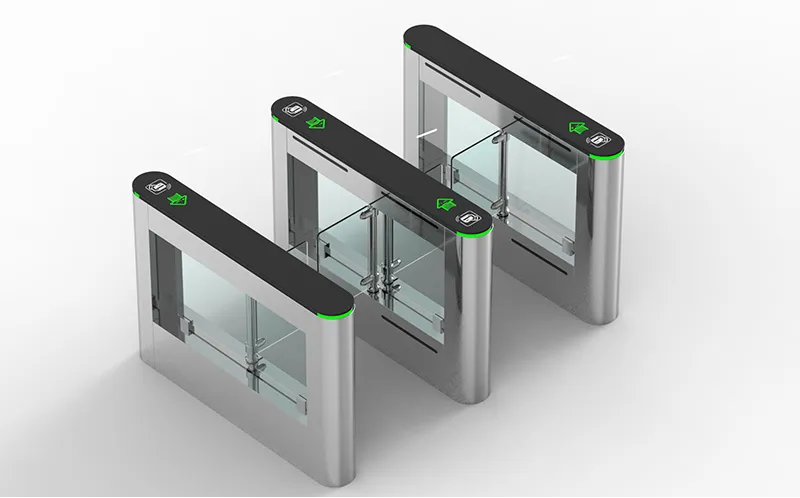
To address this challenge, ZOJE—leveraging its comprehensive smart campus management platform and full suite of intelligent hardware—has introduced a deeply integrated, all-in-one solution featuring "Intelligent Anti-Tailgating + Granular Hierarchical Access Control." This solution establishes a multi-layered, proactive security perimeter spanning the entire spectrum from sensing and control to management.
ZOJE’s solution is not merely a simple aggregation of hardware components; rather, it constructs a complete, closed-loop proactive security system through the synergistic collaboration of three distinct layers: the sensing layer, the control layer, and the management layer.
At the sensing layer, anti-tailgating capabilities rely on high-density infrared array detection combined with intelligent access logic analysis. ZOJE’s speed gates and swing turnstiles not only verify the credentials of individuals passing through but also utilize infrared beams to monitor the passageway in real-time, detecting whether multiple people are attempting to pass simultaneously or if an unauthorized reverse entry is occurring. Should any tailgating behavior be detected, the system instantly triggers audible and visual alarms and forces the gate to close, thereby blocking the threat at the entrance. Concurrently, the devices support automatic gate opening in the event of a power failure, ensuring that fire safety and emergency evacuation routes remain unobstructed—a critical feature that balances both security requirements and regulatory compliance.
At the control layer, a sophisticated hierarchical access permission engine serves as the core driver of management efficiency. Through the comprehensive smart campus management platform, administrators can define access permissions with granular precision—specifying access rights for individual personnel, specific devices, designated time windows, and even a maximum number of permitted entries. For instance, an employee might be authorized to enter the office area via a specific swing turnstile (Turnstile A) only during business hours (9:00 AM to 6:00 PM) on weekdays, with a daily entry limit capped at two times. Crucially, the granting, modification, or revocation of these permissions is executed in real-time via the platform and instantly synchronized across all terminal devices, eliminating the need for on-site card updates or manual configuration. This dynamic, real-time enforcement mechanism significantly enhances management agility, making it particularly well-suited for environments characterized by high personnel turnover or stringent security requirements.
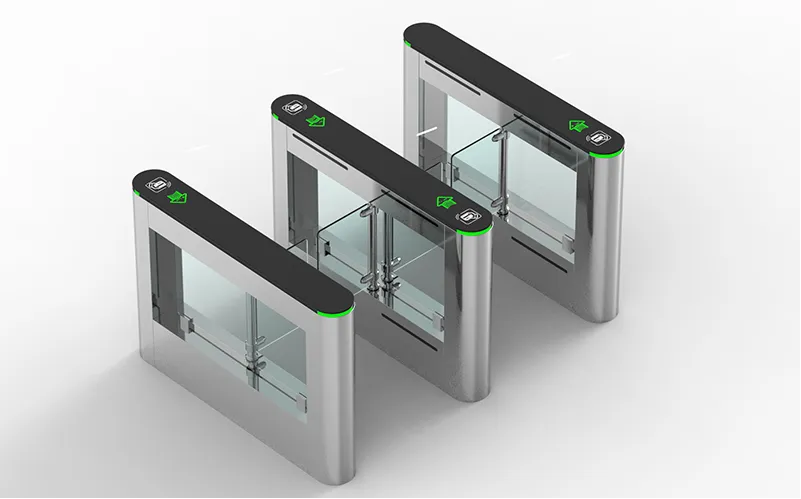
At the management level, advanced security policies offer highly flexible configuration options. The system supports a range of functions, including multi-card authentication (requiring simultaneous verification by two individuals to open a swing turnstile), anti-passback (preventing the reuse of a card after it has been taken out of a zone), multi-door interlocking, and arming/disarming capabilities. These policies can be flexibly configured to align with the specific security classification of different zones, thereby elevating access control standards from basic levels to military-grade or banking-grade security protocols.
1. Core R&D Centers and Executive Floors: Eliminating Information Leakage Risks
R&D centers house a company's technical trade secrets, while executive floors are the hub for critical business decision-making; consequently, these areas require absolute prevention against unauthorized tailgating. By deploying ZOJE’s anti-tailgating swing turnstiles, the swing barriers close immediately after an authorized employee gains access via facial recognition or card swipe. Should any attempt at tailgating be detected, the system triggers an immediate alarm and locks the gate. Concurrently, these zones are assigned a dedicated, high-security access group, granting entry solely to core personnel while strictly excluding visitors. Any unauthorized access attempt is logged by the system, and an alert is immediately dispatched to the security control center.
2. Segregated Management for Visitors and Internal Staff: Ensuring Orderly Traffic Flow
Many smart campuses face the challenge of effectively managing visitor access—specifically, restricting visitor movement to designated public reception areas while strictly isolating internal office zones, laboratories, and finance departments. ZOJE’s solution addresses this challenge through an automated online appointment system. Upon making an appointment, the system automatically generates a temporary access profile with specific time and zone restrictions—for instance, permitting access only through the lobby speed gates, designated elevators, and specific meeting rooms. Conversely, access privileges for internal employees are segmented by department; for example, finance personnel cannot access R&D zones, and sales personnel are denied entry to the data center. Any attempt to access unauthorized areas is rejected and logged by the system, thereby creating a comprehensive and auditable access log.
3. Data Centers and High-Value Storage Facilities: Enforcing the Highest Security Standards
These types of critical zones typically mandate the implementation of the "Two-Person Rule," requiring the simultaneous presence of two authorized individuals to gain entry. ZOJE’s access control system supports this requirement through its multi-card authentication feature, which mandates simultaneous verification by two designated personnel before the door will unlock. Furthermore, the system allows for configurable access schedules; for instance, access points can be automatically switched to a "restricted" mode after business hours, preventing entry even if an individual possesses a valid access card. This eliminates security blind spots and ensures safety during non-working hours.
While traditional security relies on video surveillance for retrospective analysis, ZOJE employs real-time detection and immediate intervention to thwart security threats before they materialize. Its anti-tailgating system triggers an alarm the instant an unauthorized intrusion occurs, while its access control system immediately denies any attempts to exceed authorized privileges—thereby truly realizing the principle of "preventing trouble before it starts."
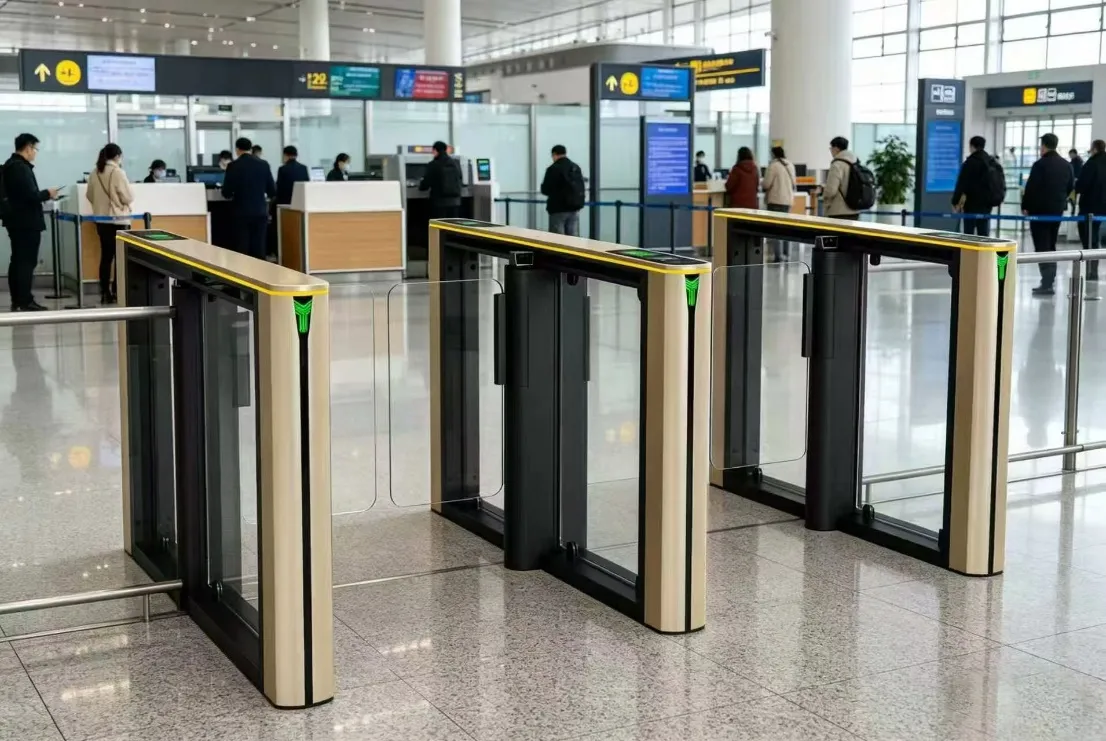
The security perimeter of a smart campus is never merely a simple upgrade of isolated devices; rather, it represents a systemic restructuring encompassing perception, control, and management. Through the precise perception afforded by dual-detection technology (combining millimeter-wave radar and infrared sensors), granular access control, and the flexible configuration of advanced security policies, ZOJE’s "Anti-Tailgating + Tiered Access" solution provides enterprises with a proactive security framework that is practical, traceable, and scalable.