AI Is Redefining Parking Management: From Static Infrastructure to Intelligent Operations
The parking industry is undergoing a fundamental transformation. The traditional model of mechanized management, based on barriers, fines, and payment, is evolving into an operating system centered on data and intelligent decision-making. Artificial intelligence is transforming daily parking data into actionable operational insights.
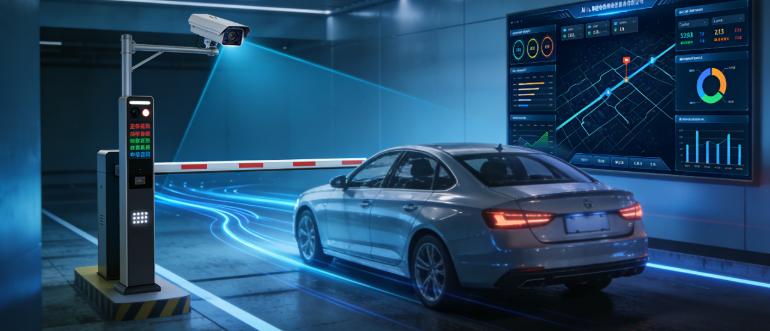
Beyond Automation: How AI Changes Parking Operations
Traditional parking systems operate on a "passive response" model: gates only open when vehicles arrive, and congestion is only detected when all spaces are occupied.
AI introduces a "proactive decision-making" operating model. By analyzing historical data and real-time information, smart parking systems can predict demand, identify behavioral patterns, and make adjustments before problems impact the customer experience or revenue.
License Plate Recognition: The Intelligent Data Backbone
Modern license plate recognition systems have far surpassed the simple function of "automatic gate opening," becoming the data core of smart parking systems. The system automatically records the time, duration of stay, frequency of access, and vehicle type upon entry and exit, enabling contactless passage in 2-3 seconds while continuously accumulating valuable operational data. As data accumulates, user behavior, turnover efficiency, and peak usage patterns gradually become clearer, laying the foundation for subsequent intelligent analysis.
Predictive Analytics: Managing Demand Before It Peaks
AI-powered predictive analytics, which combines historical parking data with real-time variables (time, weather, local events, traffic conditions), can accurately predict changes in demand. This allows parking facilities to adjust their pricing strategies, staffing levels, maintenance schedules, and space allocation in advance. Numerous case studies demonstrate that parking facilities can achieve 12-18% revenue growth simply by optimizing demand, without needing to add new parking spaces.
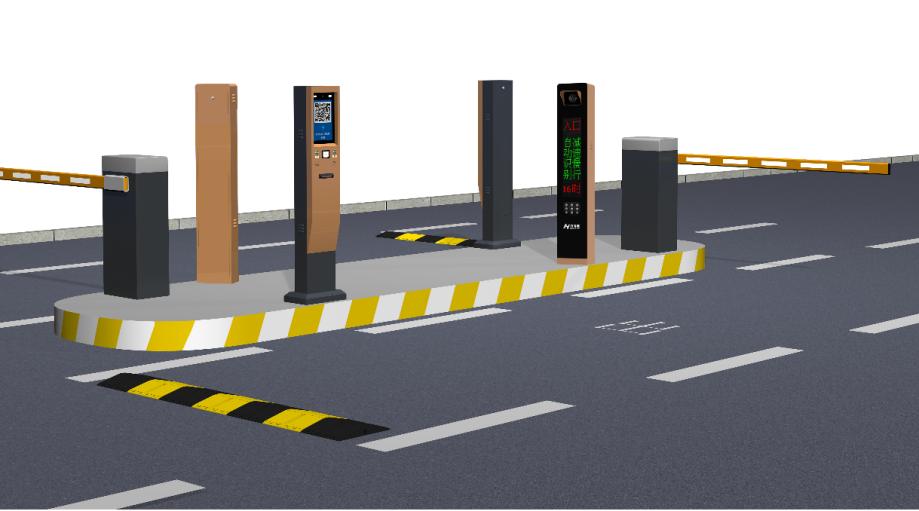
Behavior Recognition: Real-Time Awareness Inside the Facility
Computer vision-based behavior recognition technology extends smart parking system to the operational aspects of parking facilities. The system can identify behaviors such as driving to find available parking spaces, illegal parking, and lane obstruction (i.e., pedestrian-vehicle conflicts) in real time. Problems can be detected and addressed instantly, preventing minor inconveniences from escalating into operational incidents that affect user experience and safety.
Space Optimization: Unlocking the Full Value of Every Parking Space
AI-powered parking space optimization dynamically adjusts the allocation of monthly, temporary, paid, and reserved spaces based on real-time occupancy, usage history, and predicted demand. Without increasing construction costs, intelligent optimization can achieve an 8-15% increase in equivalent capacity, significantly improving overall operational efficiency.

The Future of Parking: Infrastructure That Thinks
With the growing demand for user experience and the increasing limitations of urban space, smart parking systems are evolving from a luxury to a necessity. The truly competitive parking facilities of the future will not be defined by the number of spaces, but by the level of intelligence of each one.