How to Choose the Right Pedestrian Turnstile?
When selecting a pedestrian turnstile, security and performance should be the primary considerations. This typically involves considering the turnstile's protective measures, such as its ability to prevent unauthorized access and entry. In addition, the accuracy and response speed of the sensors are also key evaluation factors. Pedestrian turnstiles are commonly installed at the entrances of businesses, banks, medical institutions, educational institutions, and various facilities, with functions including controlling visitor flow, preventing unauthorized entry, managing entries and exits, and recording working hours. Their selection requires thorough consideration of the task requirements, the characteristics and parameters of the installation location, the security organization of the passageway area, and the control and operation methods.
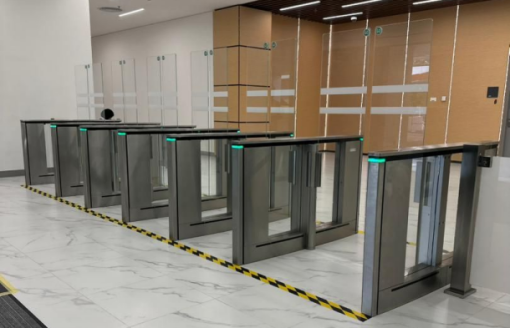
1. Key Factors to Consider When Selecting:
a) Traffic Flow: Understand the average daily pedestrian flow during peak hours.
b) Passage Width: Determine the number and width of passages needed based on the controlled area.
c) Disabled/Logistics Access: Install wider passage channel to accommodate the passage needs of different pedestrians.
d) Fencing Requirements: In addition to the area where the turnstiles are installed, is it necessary to install fencing to create an enclosed space in other areas?
e) Design Style: Integrate with the overall design of the surrounding facilities.
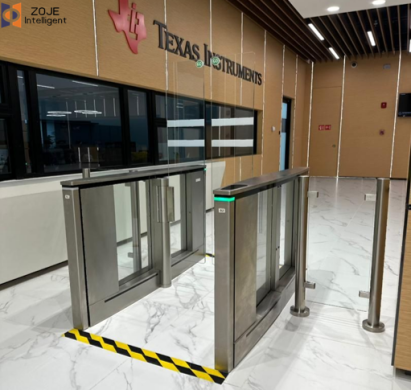
2. Analysis of the Functional Characteristics of Swing Gates, Flap Gates, and Tripod Turnstiles:
Flap gates, with their fast opening and closing and powerful anti-intrusion function, are suitable for high-traffic areas such as subway stations. Swing gates offer greater flexibility, with customizable passage widths, and are commonly used in high-speed train stations, airports, and office buildings. In comparison, while tripod turnstiles occupy slightly more space, their high security and ability to effectively prevent tailgating without infrared sensors make them suitable for areas with high security requirements and outdoor spaces. Different automatic turnstile systems perform different functions depending on the scenario and needs. When customizing a solution, it's necessary to clearly understand the characteristics of each device to select the one that best suits the actual requirements. Furthermore, adapting these functional characteristics to local conditions always improves the pedestrian flow management experience.
3. Design Principles and Strategies for Optimizing Pedestrian Flow:
To improve pedestrian flow, multiple aspects must be considered. First, the width and opening/closing speed of the turnstiles are crucial; a reasonable design allows more people to pass through simultaneously, preventing congestion. Second, the placement of signals should be carefully considered. Clear signal guides users quickly to access points, reducing waiting times. Additionally, the use of convenient identification systems, such as card swiping or QR code scanning, can effectively improve throughput. Furthermore, overly complex operating procedures should be avoided, and the user experience should be simplified so that everyone can quickly understand how to use the turnstiles. Combining these principles and strategies contributes to a smoother pedestrian experience.
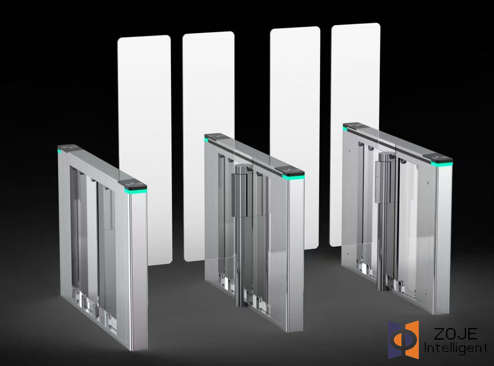
4. Customized Turnstile Solutions that Consider Both Economic Efficiency and Functionality:
When customizing pedestrian turnstile solutions, both economic efficiency and functionality must be considered. First, the acquisition and maintenance costs of different types of automated turnstile systems should be evaluated to ensure the selection of the most suitable equipment within the budget. Second, functionality is also a key factor; the turnstiles should have basic functions such as rapid passage, identification, and security. The durability of the equipment should also be considered to reduce the frequency and costs of replacement in the long term. In addition, customized solutions can be designed for the specific needs of each location, such as incorporating custom designs to improve the integration of the equipment with the surrounding environment.
ZOJE is committed to providing customized pedestrian access solutions for different industries and environments, helping customers build efficient, secure, and future-proof access control systems.