What Is an Antistatic Testing Access Control Turnstile?
Antistatic testing access control turnstiles, also known as electrostatic discharge (ESD) testing turnstiles or ESD access control systems, are primarily used in electrostatically sensitive environments, such as electronics manufacturing, semiconductor manufacturing, pharmaceuticals, and laboratories. They ensure that personnel undergo ESD testing before entering to meet ESD requirements, thus preventing damage to precision equipment or products.
ESD access control systems and standalone channel-type antistatic access control systems (access control turntsiles with comprehensive human body ESD testing) are advanced products that combine ESD testing and access control. In many ESD protected areas (EPAs), ESD-protective footwear and wristband testing is often performed using traditional, trial-only methods, making it difficult to ensure that personnel who fail the test are immediately barred from entering the EPA. Upon entering the EPA, personnel must be prepared to wear ESD wristbands or antistatic footwear. The use of electronic locks or access control turnstiles, such as tripod turnstiles, swing turnstiles, and automatic sensor-activated gates, as access control devices for ESD testing of personnel is crucial. These devices provide factory personnel with basic electrostatic discharge (ESD) testing and control functions, ensure orderly and civilized entry, prevent personnel who have not passed the ESD test from entering the EPA's ESD protection area, and allow for the rapid lowering or opening of the gate in case of emergency to facilitate personnel evacuation.
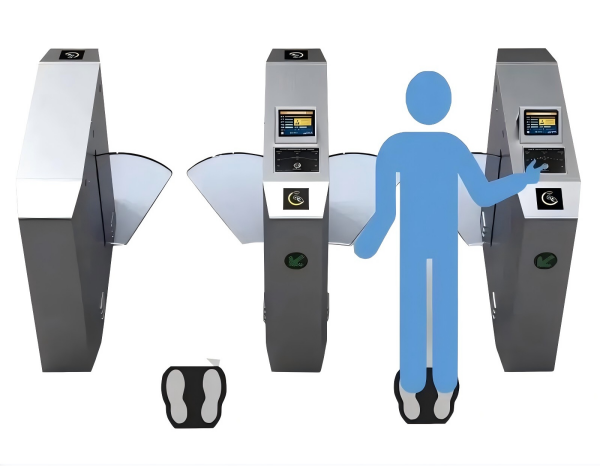
Applications of Antistatic Turnstiles:
Widely used in static-sensitive environments, such as:
Electronics factories: Prevents damage to electronic products caused by static electricity. Electronic products contain numerous static-sensitive components, such as capacitors and resistors on circuit boards. Antistatic doors effectively reduce the potential damage static electricity can cause to product quality.
Pharmaceutical production: Some pharmaceutical production processes involve delicate chemical synthesis or high-precision packaging. For example, in the production of some lyophilized biopharmaceutical formulations, even a minimal amount of static electricity can cause adsorption or aggregation of drug components, affecting their quality. ESD antistatic turnstiles can prevent static electricity from entering critical production areas.
Chemical laboratories and production workshops: Some chemicals are flammable, explosive, or sensitive to static electricity. For example, in environments where flammable and explosive organic reagents are synthesized, electrostatic discharges can cause fires or even explosions. Antistatic turnstiles can prevent safety hazards caused by electrostatic discharges.
Semiconductor cleanrooms: These protect precision instruments and production lines from static electricity. Since semiconductor components are extremely sensitive to static electricity, even extremely small electrostatic discharges can damage delicate components. ESD (Electrostatic Discharge) doors prevent static electricity from personnel from entering production areas, thus ensuring electrostatic safety in the production environment.
Optical instrument manufacturers: These produce high-precision microscopes and telescopes. Components such as internal optical lenses are susceptible to static electricity, as they attract dust and other impurities, or are even damaged, during precision processes such as grinding and coating. ESD turnstiles help ensure a clean and safe production environment.
Aerospace precision component manufacturing plants: Components such as aircraft engine blades and spacecraft electronic control units require extremely high precision. Static electricity can damage their internal electronics and precision mechanical structures. ESD doors are crucial installations to ensure safe production.
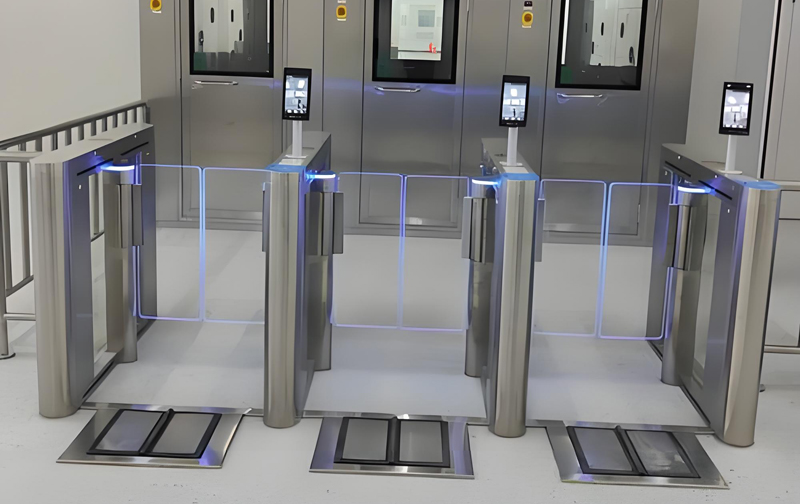
Operating Principle of the Antistatic Access Control Turnstiles: When personnel need to enter the cleanroom, the antistatic access control turnstile requires them to undergo an electrostatic discharge (ESD) test using a full-body ESD tester. The tester measures the electrostatic resistance of the human body and transmits the signal to the control module. If the test result shows that the personnel's ESD resistance is within the established resistance range, the access control turnstile receives this signal and determines that the test has been successful. At this point, the door or gate lock opens, allowing personnel access. If the test result shows that the ESD resistance exceeds the established threshold, the access control system will prevent the door or gate lock from opening and will require personnel to perform ESD abatement.
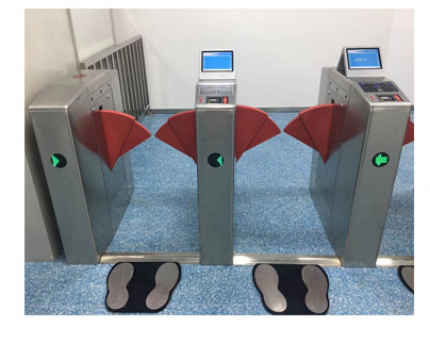
The main functions of the antistatic access control turnstiles are:
1. Automatic electrostatic testing and personnel identification: By combining a full-body electrostatic tester with access cards or facial recognition, double verification of electrostatic tests and personnel identity is achieved.
Access control: Different access permissions are assigned to personnel with different identities. For example, office administration staff only need to swipe their card or undergo facial recognition and pass an electrostatic footwear test to access the system, while assembly line workers in the workshop need to swipe their card or undergo facial recognition, pass a wristband test, and pass an electrostatic footwear test to enter the door.
2. Data logging and management: Real-time logging and display of all entry and exit data, including personnel information, time, and location, facilitates subsequent management and traceability.
3. Equipment operating status monitoring: Through the communications server, the management center can monitor the operating status of each device in the system in real time, ensuring stable system operation.
4. Emergency control: In emergency situations, the system can quickly control the lowering of the barrier or the opening of the door to facilitate the evacuation of personnel.