OEM/ODM for Turnstile Gates: A Comprehensive Guide
In turnstile project discussions, one question is almost universal:
"What level of customization can you provide?"
This inquiry typically targets three core concerns:
a. Project compatibility
b. Solutions for non-standard scenarios
c. End-to-end implementation capabilities
The Bottom Line: Turnstile customization extends far beyond "dimensional adjustments"; it represents a holistic capability spanning "Structural Design → Functional Adaptation → System Integration → Volume Delivery".
I 、What is the level of customization available for these turnstile gates?
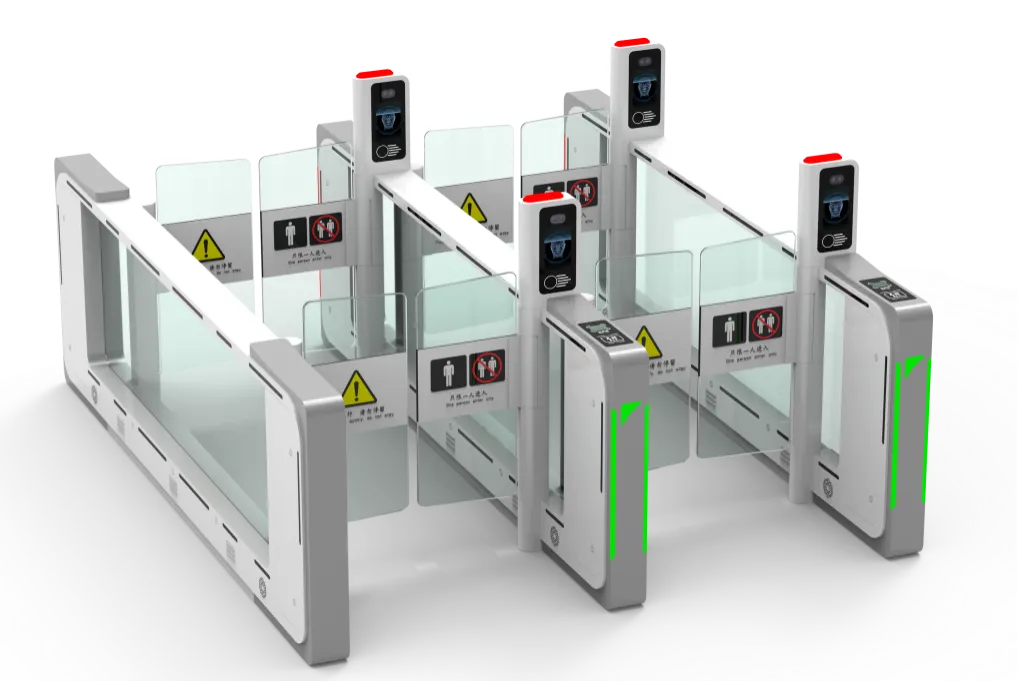
Based on industry practice, customization is categorized into three distinct levels:
1. Standard Product Optimization (Light Customization)
Applicability:
Leveraging mature products that require adaptation to specific project requirements.
Common Demands:
a. Dimensions: Adjustments to passage width and cabinet height.
b. Material Upgrades: Enhanced corrosion and rust resistance for outdoor use.
c. Branding: Custom logos and color schemes.
d. Basic Functions: Integrated verification (RFID, Face ID, QR codes).
Key Characteristics:
a. Short development cycle
b. Controllable costs
c. Ideal for the majority of conventional projects
2. Structural & Functional Customization (Moderate Customization)
Application: Complex environments where standard products fail to meet specific requirements.
Typical Scenarios:
a. Construction Site Real-Name Access: Dust-proof and impact-resistant designs.
b. High-Traffic Attractions/Parks: Optimized for high-throughput efficiency.
c. Specialized Access: Barrier-free and ultra-wide lane configurations.
Customizable Parts:
a. Structural Redesign: Engineering for waterproof, dust-proof, and anti-vandalism capabilities.
b. Traffic Logic Optimization: Tailored strategies for peak-period throughput.
c. Drive System Adjustment : Speed & Stability
d. Multi-System Integration: Seamless integration between access control, facial recognition, and third-party platforms.
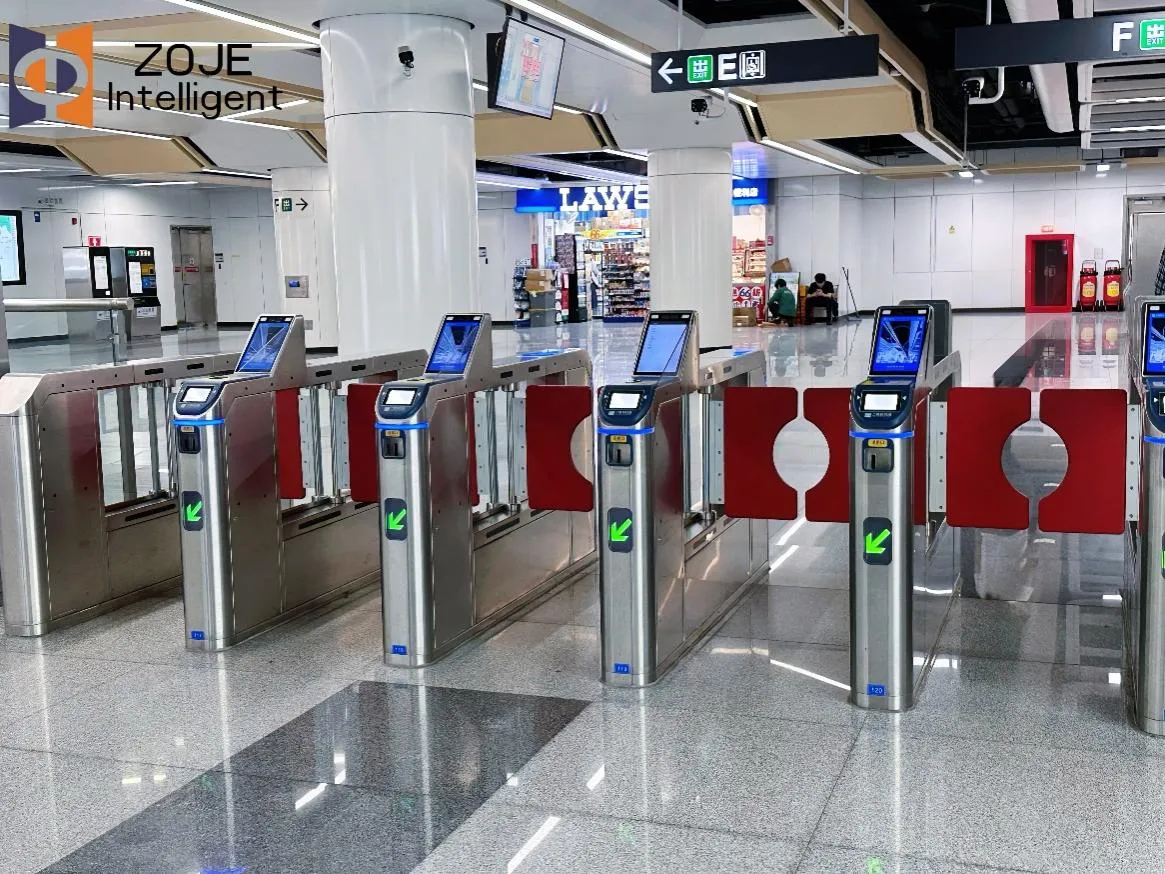
3. New Product Development (Deep ODM)
Applicability: Fully non-standard requirements or new project.
Examples:
a. Airports/Customs: Complex, high-traffic throughput scenarios.
b. Emerging Scenarios: Unmanned facilities and smart industrial parks.
c. Proprietary Branding: Clients requiring independent brand identity via OEM/ODM.
d. Specialized Functional Requirements: Industry-specific customized systems.
Technical Support Includes:
a. Industrial Design (ID): Aesthetic and ergonomic exterior design.
b. Mechanical Engineering (ME): Comprehensive structural engineering.
c. Control System Development: Integrated hardware and software engineering.
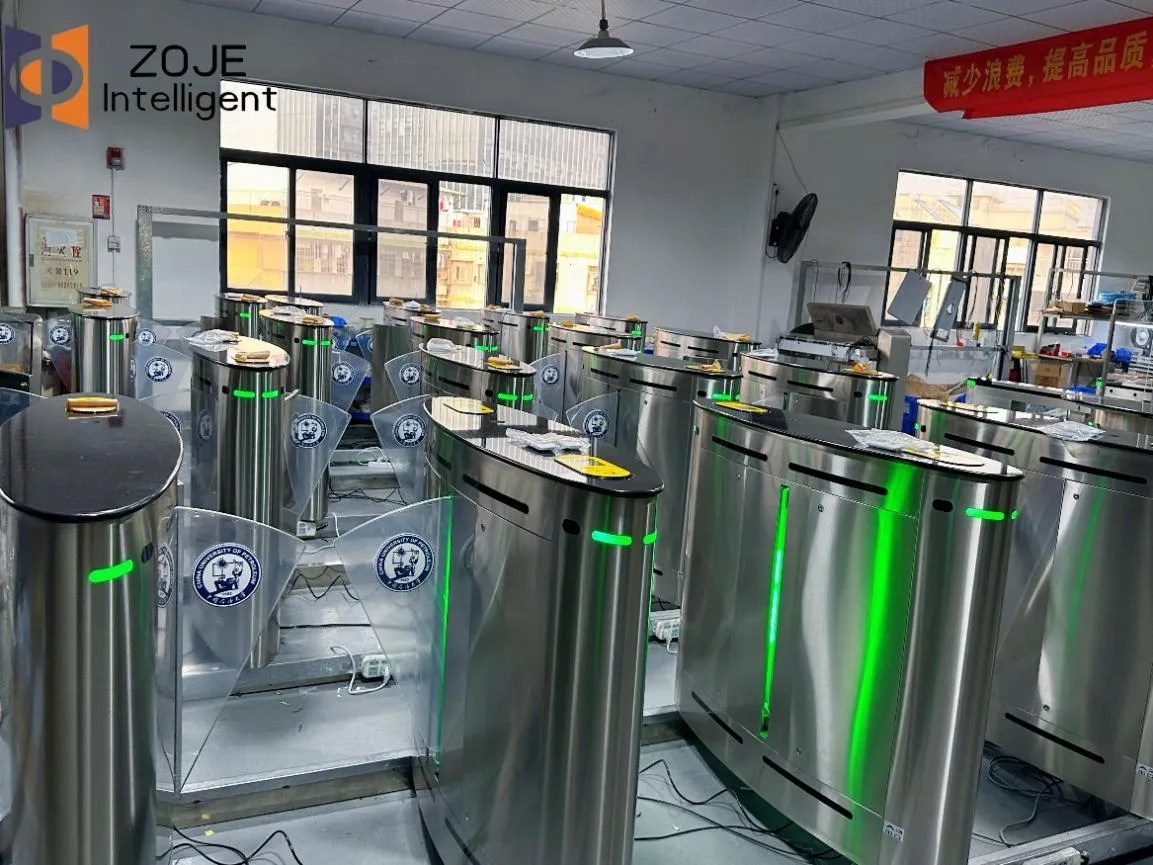
d. End-to-End Implementation: From prototyping and testing to optimization and mass production.
The Essence: Evolving from a "Product Supplier" to a "Product Co-creator."
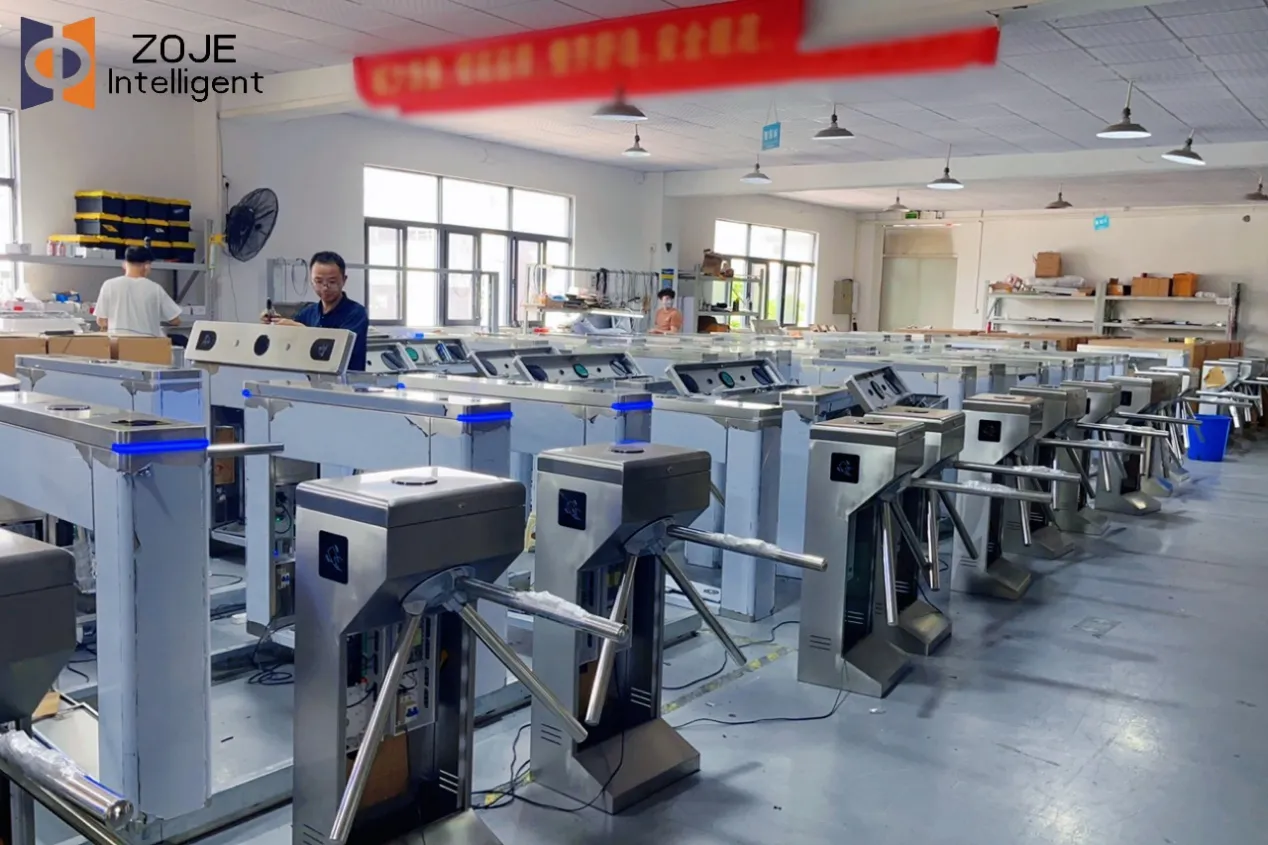
II 、The ZOJE Intelligent ODM Implementation Workflow
Many clients harbor concerns: "You mentioned customization is available, but how does it work specifically?"
To provide full transparency, we have broken down our workflow for you:
Step 1: Requirement Scoping (The Critical Phase)
Identify three things:
a. Operating Environment: (Indoor / Outdoor / Construction Site / Industrial Park)
b. Access Requirements: (Efficiency / Security / Management Protocols)
c. System Specifications: (Defining platform integration needs)
This initial stage dictates 80% of the project's final outcome.
Step 2: Solution Design
Design contents:
a. Structural Engineering Plan
b. Functional Configuration Scheme
c. Way of System Integration
Objective: To transform "requirements" into an "Achievable Solution."
Step 3: Prototyping & Validation
a. Produce the Model
b. Functional Testing
c. Scenario Validation
d. Avoid mass production risks.
Step 4: Optimization & Finalization
a. Adjustments based on test feedback
b. Final version sign-off
Step 5: Mass Production & Delivery
a. Standardized Production
b. Quality Control
c. Project Delivery
Process Summary: ODM isn’t just about "making a product"—it’s about "transforming a requirement into a stable, deliverable product system."
III. Three Key Customer Concerns
1. Is customization expensive?
Not necessarily; it depends on the depth of customization:
a. Standard Optimization: Minimal cost impact.
b. Structural Adjustments: Moderate increase.
c. New Development: Requires investment assessment.
However, in many cases: strategic customization can actually lower overall project costs by reducing downstream issues.
2. Will the lead time be long?
Estimated Lead Times:
a. Minor Customization: 2–4 weeks
b. Moderate Customization: 4–6 weeks
c. Deep ODM: 8+ weeks
The key factor isn't just time, but rather: having clear requirements and professional execution capabilities.
3. Can it be expanded later?
This is a critical consideration during the design phase:
a. I/O Expansion
b. System Upgrades
c. Feature Add-ons
A well-engineered ODM solution integrates scalability from the very beginning.
IV. What Can We Offer?
ZOJE Intelligent leverages extensive project experience to provide:
A. End-to-End Development: From Standard Optimization to Full Innovation
a. Rapid Adaptation of Standard Products
b. Non-standard Structural Design
c. Full-stack ODM Product Development
B. Proven Expertise Across Multiple Scenarios
a. Airports & Customs
b. Construction Site Identity Management
c. Industrial Parks & Office Buildings
d. Scenic Spots & Public Venues
C. One-Stop Delivery Capabilities
a. Design → Prototyping → Testing → Mass Production
b. Hardware + System Integration
c. On-site Implementation Support
When evaluating a turnstile gates manufacturer's customization capabilities, look for these three key indicators:
a. A proven track record: Can they clearly articulate their previous project experience?
b. Structured solution: Can they translate requirements into a comprehensive, structured technical plan?
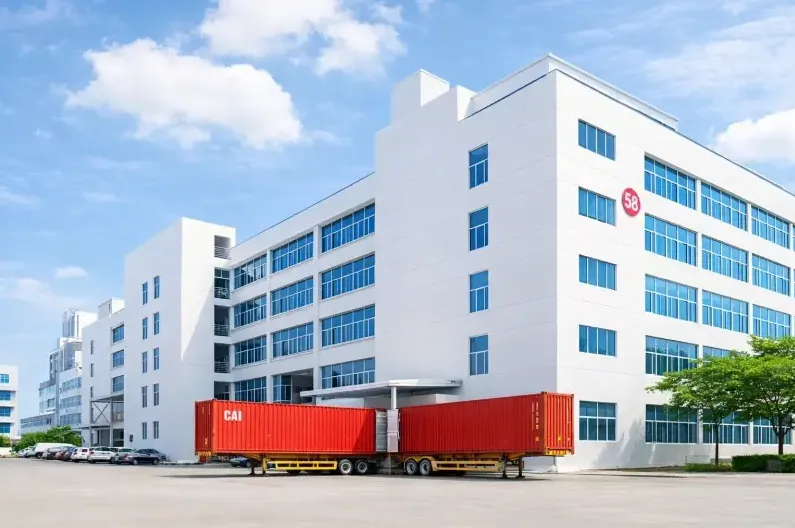
c. End-to-end manufacturing expertise: Do they have complete experience in both prototyping and mass production?
The core of turnstile OEM/ODM is not just about "the ability to make changes"—it is about the systemic capability to transform complex, scenario-specific requirements into stable, deliverable products.
If you have specific project requirements (e.g., airports, customs, high-speed rail stations, construction sites, industrial parks, office buildings, or specialized environments), please contact us directly. We can provide a rapid assessment to determine whether a standard solution suffices or if custom development is required.