Swing Turnstiles Integrating Face and Palm Vein Recognition for Reliable Access Control
In practical access control management, traditional single-method identification techniques—such as card swiping, QR codes, or even standalone facial recognition—still face issues regarding potential substitution or recognition errors in certain scenarios. To address this challenge, a dual-biometric solution combining facial recognition with palm vein recognition has been introduced, offering a novel implementation method for projects requiring a higher level of identity verification reliability.
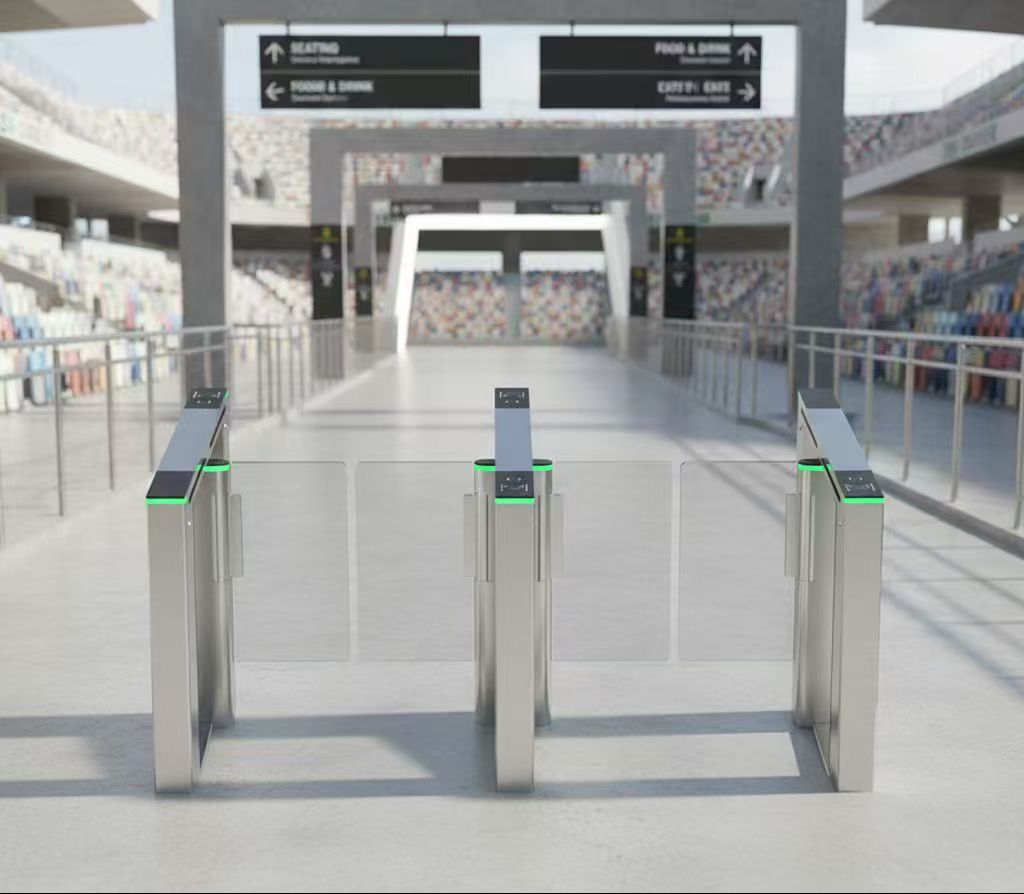
This solution utilizes Swing Turnstiles as the foundational access equipment, integrating recognition terminals and palm vein modules on the entry side of the turnstile lane. As individuals pass through, the system can execute either a single-factor or dual-factor authentication process, depending on the configured settings. For instance, facial recognition alone might be enabled for entry into general office areas, whereas access to restricted zones might require simultaneous verification via both facial and palm vein recognition before passage is granted.
Regarding facial recognition, ZOJE’s Face Recognition Terminal Machine employs 3D recognition algorithms to capture and match facial features, ensuring stable recognition performance even under varying lighting conditions. The system supports liveness detection, enabling it to distinguish between real faces and common spoofing attempts—such as photographs or video playback—making it highly suitable for high-traffic daily access environments.
The palm vein recognition system operates by illuminating the palm with a near-infrared light source. As the infrared light penetrates the body's tissues, the hemoglobin within the blood absorbs specific wavelengths of light, thereby rendering a distinct image of the vein distribution visible to the imaging sensor. This image is then processed via algorithms to generate a unique feature template used for identity matching.
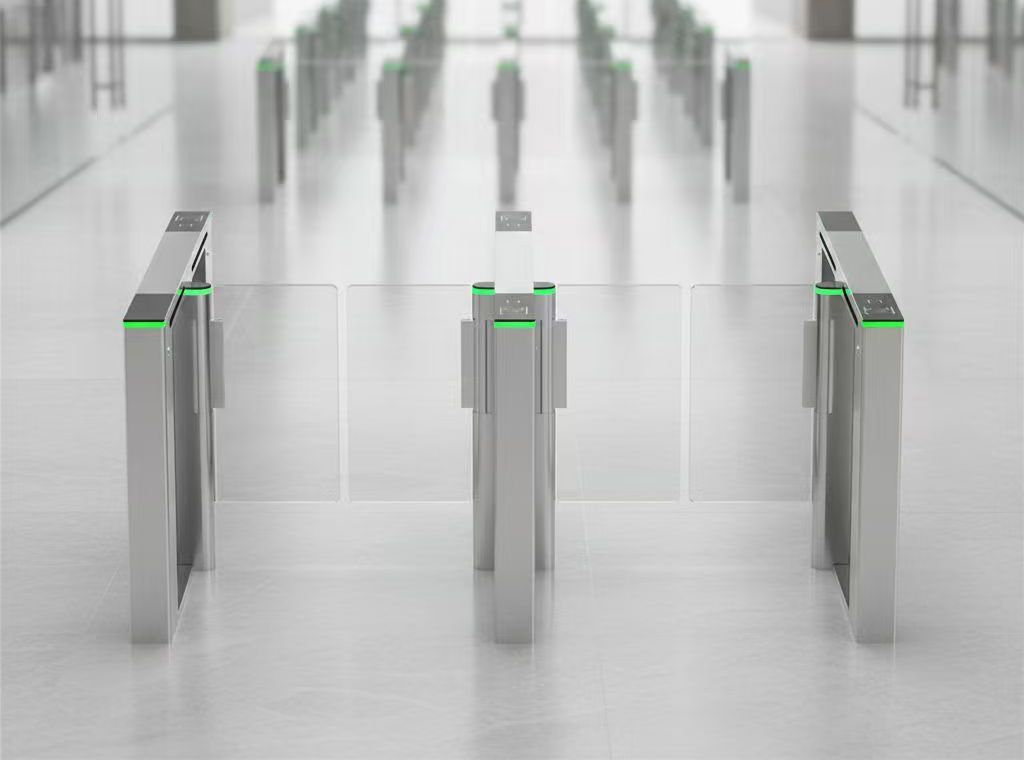
Unlike surface-level biometric features such as fingerprints or facial contours, palm vein information resides within the human body and offers several distinct advantages for practical application:
First, it is extremely difficult to replicate. Since vein structures are internal physiological features, they cannot be reconstructed or spoofed using photographs or simple physical models.
Second, it offers high stability. Under normal circumstances, the structure of an individual's veins remains relatively constant over time, making it suitable for long-term use.
Third, the recognition process is contactless. Users simply need to hover their palm over the designated recognition area to complete the data capture; this helps minimize wear and tear on the equipment while also making the system ideal for environments with strict hygiene requirements.
During actual access operations, the palm vein recognition module is typically positioned at an ergonomically appropriate height on the entry side of the Swing Turnstile lane. Users simply align their palm according to the on-screen prompts, and the system completes the image capture and identity matching process within a matter of seconds. When the system is configured for dual-factor authentication, both facial recognition and palm vein recognition can be performed either sequentially or simultaneously within a single access workflow; once verification is successful, the Swing Turnstile automatically opens.
In terms of security, this dual-biometric mechanism significantly mitigates the risks of misidentification and unauthorized access attempts. For instance, even if an attempt is made to spoof facial data, successful passage still requires validation via palm vein recognition, thereby enhancing the overall reliability of identity verification. This approach is ideally suited for R&D offices, data centers, laboratories, and other areas where strict access control is required.
Regarding access efficiency, the system supports rapid recognition and continuous throughput. Through optimized recognition algorithms, users can complete the verification process without needing to pause for extended periods; the Swing Turnstile maintains stable operation even during peak traffic hours, effectively minimizing queuing times.
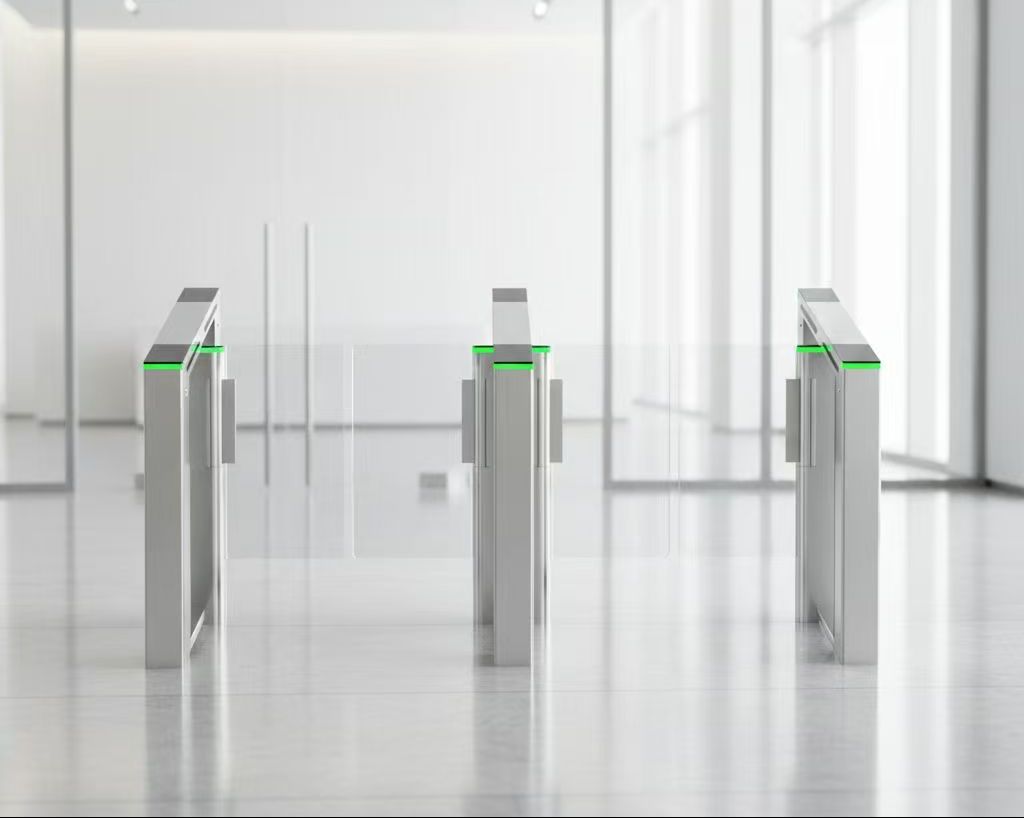
Furthermore, the system supports seamless integration with existing access control, visitor management, and time & attendance systems, enabling centralized and unified access rights management. Depending on specific project requirements, the system can also be expanded to incorporate additional verification methods—such as IC cards or QR codes—to accommodate diverse user groups.
From a practical application standpoint, this solution is suitable for both high-security environments and standard office settings seeking to enhance their administrative protocols. By configuring different verification modes (e.g., single-factor vs. dual-factor authentication) for different zones, organizations can achieve a flexible balance between security imperatives and operational efficiency.
As multi-modal biometric technologies continue to mature, the integration of multiple recognition methods has emerged as a key trend in the evolution of access control systems. ZOJE remains committed to optimizing and refining its product portfolio in alignment with real-world project requirements, delivering robust, practical, and reliable access control solutions to its clients.