Campus Facial Recognition Access Control: Say Goodbye to Lost IDs, Enable Seamless Access
In traditional campus management, issues such as lost, forgotten, or damaged school ID cards frequently plague both faculty and students. These problems not only hinder access efficiency but also pose potential security risks stemming from the unauthorized use of credentials. Today, with the deepening advancement of "Smart Campus" initiatives, facial recognition access control systems are gradually replacing traditional card-based entry methods. Leveraging the core advantage of using the "face as the credential," these systems comprehensively resolve the challenges associated with ID card management, enabling a seamless and intelligent upgrade to campus access, and creating a more convenient and secure environment for the entire campus community.
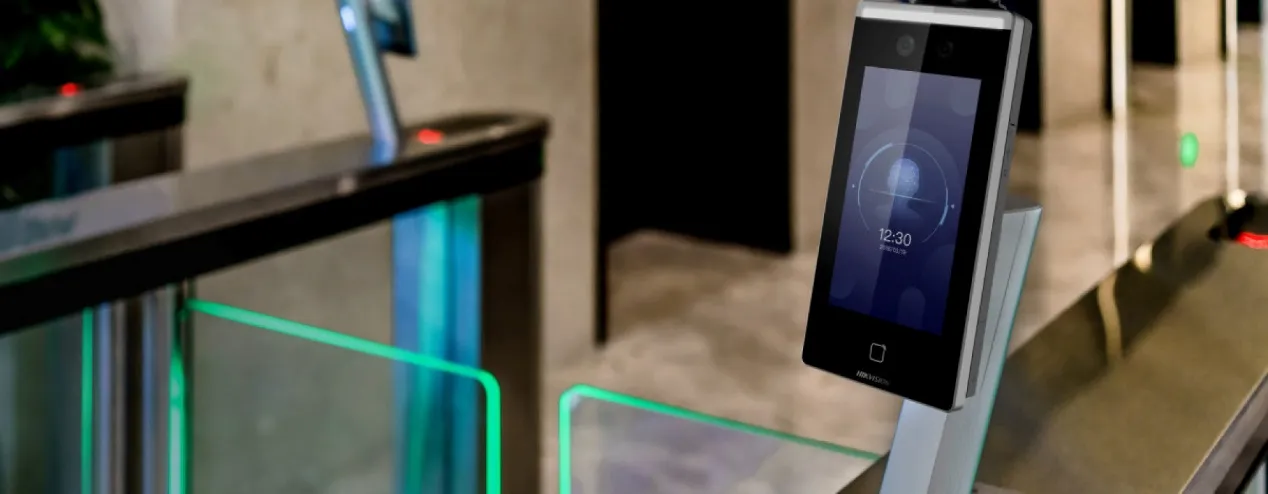
Bidding Farewell to ID Card Woes
Traditional card-based access control systems have long been a staple of campus management; however, over years of use, their inherent drawbacks have become increasingly apparent, emerging as significant stumbling blocks to both access flow and administrative efficiency. In contrast, facial recognition access control systems—powered by core biometric technologies—fundamentally resolve the myriad issues associated with a reliance on physical credentials.
1. Eliminating Loss and Forgetfulness: Hassle-Free Campus Access
For primary and secondary school students, losing or forgetting their school ID cards is an all-too-common occurrence. University students, with their often-scattered class schedules, frequently find it inconvenient to carry their ID cards with them at all times; similarly, busy teachers may occasionally forget to bring their staff badges to work. Every issue involving ID cards translates into extra time spent by faculty and students on replacement procedures and administrative registration—or worse, the awkward predicament of being unable to enter or exit the campus normally. Facial recognition access control systems have completely revolutionized this status quo. By utilizing the human face as an innate biological credential—which requires no conscious effort to carry or safeguard—the system allows faculty and students to complete identity verification simply by walking through naturally. This fundamentally eliminates the troubles associated with lost or forgotten ID cards, making campus access a far more convenient and secure experience for everyone.
2. Mitigating Misuse Risks: Enhanced Security Assurance
Physical school ID cards are susceptible to misuse and unauthorized lending, posing significant security risks to the campus environment. Malicious individuals could potentially gain illicit entry into the campus—by finding or forging ID cards—thereby threatening the personal safety of faculty and students, as well as the security of campus property. Furthermore, some students may lend their ID cards to others in an attempt to circumvent campus administrative regulations. Facial recognition access control systems are equipped with advanced "liveness detection" technology, enabling them to accurately identify authentic facial features. This technology effectively thwarts deceptive tactics—such as the use of photographs, video recordings, or masks—thereby ensuring that the person presenting for access is indeed the legitimate cardholder. Since every access verification is directly linked to the individual's unique identity, the system technically eliminates the risk of ID card misuse, thereby establishing a robust security perimeter for all personnel entering and exiting the campus.
3. Reduced Management Costs, Enhanced Operational Efficiency
Traditional ID card management requires schools to invest significant human and material resources—from the production and issuance of campus cards to the handling of replacements and cancellations for lost cards, and finally to the retrieval of cards from graduating students and departing staff members, every single step consumes the energy of administrative personnel. Furthermore, issues such as card wear and demagnetization require frequent attention, thereby increasing overall campus management costs. Facial recognition access control systems, however, drastically simplify these management processes. Once entered into the system, the facial biometric data of faculty and students can be utilized for the long term, eliminating the need for frequent subsequent maintenance. The system's backend allows for real-time updates of personnel information; in instances involving transfers, graduations, or staff departures, access permissions can be modified with a single click—without the need to handle the physical circulation of ID cards. This approach significantly reduces both the human and material costs associated with campus administration while substantially boosting operational and maintenance efficiency.
Enabling Seamless Passage: Upgrading from "Stop-and-Verify" to "Natural Flow"
Beyond eliminating the reliance on physical cards and credentials, the core advantage of facial recognition access control systems lies in the enhanced experience of seamless passage. Breaking away from the traditional "stop-and-swipe" access model, technical optimizations ensure a faster and smoother transit process—perfectly suited for managing the heavy pedestrian traffic typical of campus peak hours in the morning and evening.
1. Rapid Verification: Say Goodbye to Congestion
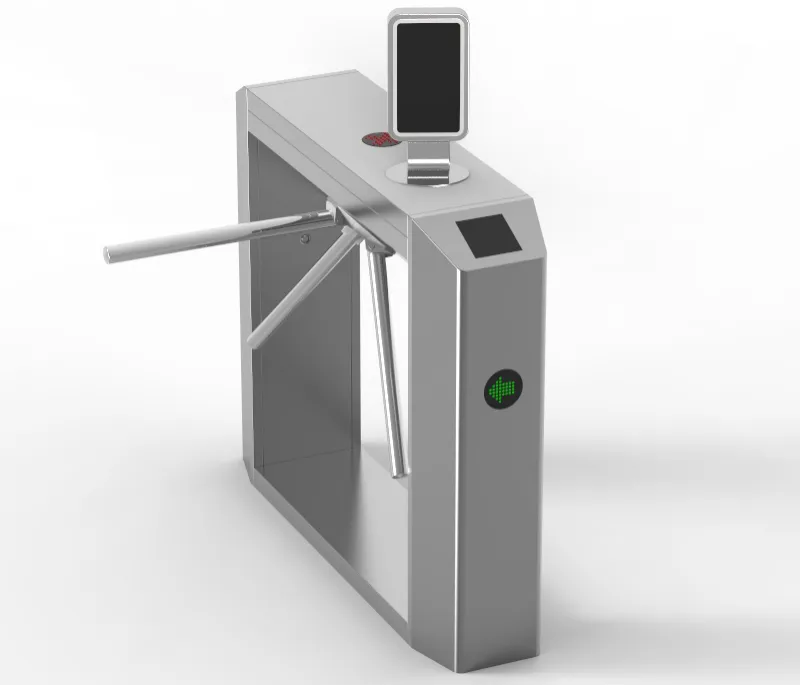
During peak morning arrival and afternoon dismissal times, thousands of students and faculty members pass through campus entrances simultaneously. Traditional access control systems—hindered by the inefficiency of card-swiping—often lead to congestion at entryways; this not only wastes valuable time for the campus community but also poses safety risks, such as pushing or stampedes. Our facial recognition access control system features a module capable of rapid image capture and precise matching, completing facial verification within just 0.5 to 1 second with an accuracy rate exceeding 99.8%. Students and faculty can pass through the turnstiles at a normal walking pace—without needing to stop or slow down—allowing a single lane to process up to 1,200 individuals per hour. This represents a threefold increase in efficiency compared to traditional card-based systems, effectively alleviating traffic pressure during campus peak hours and sparing the community the frustration of long queues and waiting times.
2. Adapted for Complex Environments
Campus environments present a diverse array of access scenarios; factors such as early-morning backlighting, dim conditions on rainy days, or facial obstruction by masks during winter can all potentially compromise the effectiveness of access control verification. Our facial recognition access control system has been specifically optimized for campus settings, incorporating advanced technologies such as strong-light suppression, backlight compensation, and dynamic facial capture. This ensures accurate facial identification even under challenging lighting conditions—including intense light, low light, and side lighting. Furthermore, to address the use of face masks, the system supports the extraction of facial features even when the face is partially obscured. This allows for verification to be completed without the need to remove one's mask, thereby simultaneously meeting epidemic prevention requirements and ensuring a smooth, uninterrupted flow of traffic. Whether it is a student carrying books, a teacher holding lesson plans, or a facilities staff member pushing cleaning equipment, everyone can enjoy "hands-free access," significantly enhancing the overall convenience of campus transit.
3. Personalized Adaptation: Accommodating Diverse Needs
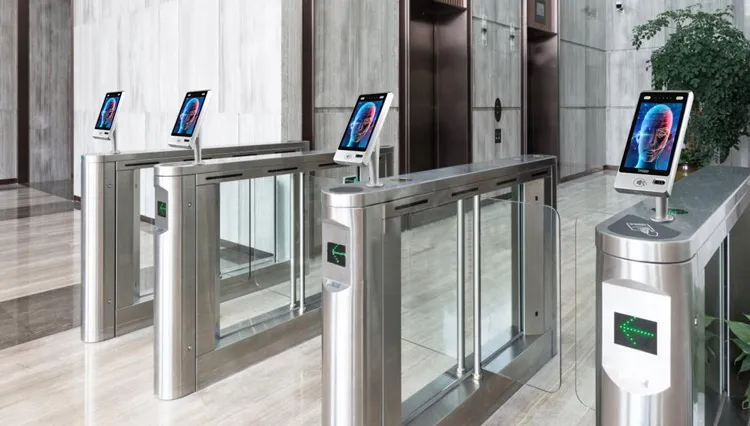
A campus community comprises individuals of varying ages and distinct requirements. Through a design featuring personalized functions, the facial recognition access control system effectively addresses the access needs of every group within the campus. For younger students in kindergartens and primary schools, the system supports "parent-face binding," enabling parents to receive real-time notifications whenever their child passes through the gate; additionally, the turnstiles open at a slightly slower pace to ensure the students' safe passage. For faculty and students with mobility impairments, the system can be configured with wider access lanes and priority passage privileges, allowing them to pass through quickly without the need to queue. As for external visitors, verification can be completed either through temporary facial data capture or via authorization granted by parents, thereby simultaneously safeguarding campus security and enhancing the visitor experience. This human-centric design ensures that a seamless, "frictionless" access experience extends to every single group across the entire campus.
Beyond Access: The Intelligent Management Value Behind Seamless Entry
The advantages of facial recognition access control systems extend far beyond the front-end user experience; they reach deep into back-end campus management processes. By facilitating data integration, these systems provide robust support for the development of smart campuses, realizing the dual objectives of "convenient access" and "efficient management."
As the digitalization of education continues to advance, facial recognition access control systems are poised to become standard equipment for campus security and management. Their inherent advantages will become increasingly evident—creating a superior campus environment for students and faculty, enabling schools to construct more efficient management frameworks, and propelling the development of smart campuses to new heights.