Access Control: RFID vs. Biometrics
When it comes to managing access in facilities, managers often face an important decision: should they go with RFID (Radio Frequency Identification) or biometric solutions? Both technologies have proven their value over time in controlling access for vehicles and people, but each addresses different needs. Making the right choice is crucial, as it can influence operational efficiency and security for years.
Key Differences Between RFID and Biometric Systems
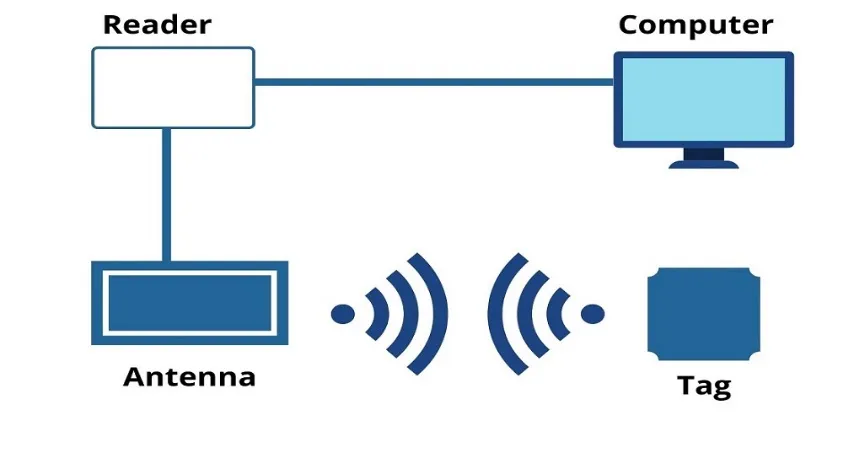
RFID systems are based on cards, tags, or vehicle-mounted transponders that communicate with readers at entry points. Over the years, RFID technology has advanced from simple proximity cards to sophisticated encrypted systems.

Biometric systems, on the other hand, identify individuals by their unique physical traits, such as fingerprints, facial features, or iris patterns. This approach removes the need for physical access cards altogether.
This difference influences many aspects of both systems, from how they are deployed to how much they cost and the security risks they address.

Which One is Best for Your Facility?
RFID systems are ideal for environments that prioritize speed and efficiency. In high-traffic areas like corporate parking lots or industrial sites, where hundreds of vehicles need to be processed quickly, RFID provides a rapid solution with minimal user interaction.
It is also perfect for managing access across multiple points with just one credential. A single RFID card can be used for parking barriers, building entrances, and restricted areas, making it a versatile option for many facilities.
Biometric systems are best suited for highly secure areas, where it's essential to verify the identity of each individual entering. For example, data centers, research labs, or pharmaceutical manufacturing plants require certainty that only authorized personnel gain access.
Government buildings and sensitive commercial sites are increasingly using biometrics, not only to control access but to maintain a detailed and irrefutable audit trail of who entered and when.
Cost Considerations: Initial vs. Ongoing Expenses
RFID systems generally come with lower initial setup costs. The infrastructure—readers, controllers, and cards—can be installed quickly and integrated with existing systems, making RFID a cost-effective option for many facilities.
However, recurring costs may add up over time, including replacing lost cards, upgrading card encryption, and managing inventories of physical credentials.
Biometric systems require higher upfront costs for high-quality devices like fingerprint or facial recognition scanners, and they may also require more complex network setups.
However, over time, the operational costs of biometrics tend to decrease. There's no need to replace lost credentials, manage temporary passes, or handle user requests for new access cards, which reduces administrative overhead.
Security and Practical Considerations
RFID system has matured significantly, with encrypted cards and mutual authentication addressing many of the security concerns of earlier systems. However, credential sharing remains a risk—employees may lend their access cards to others, which could create security loopholes depending on the environment.
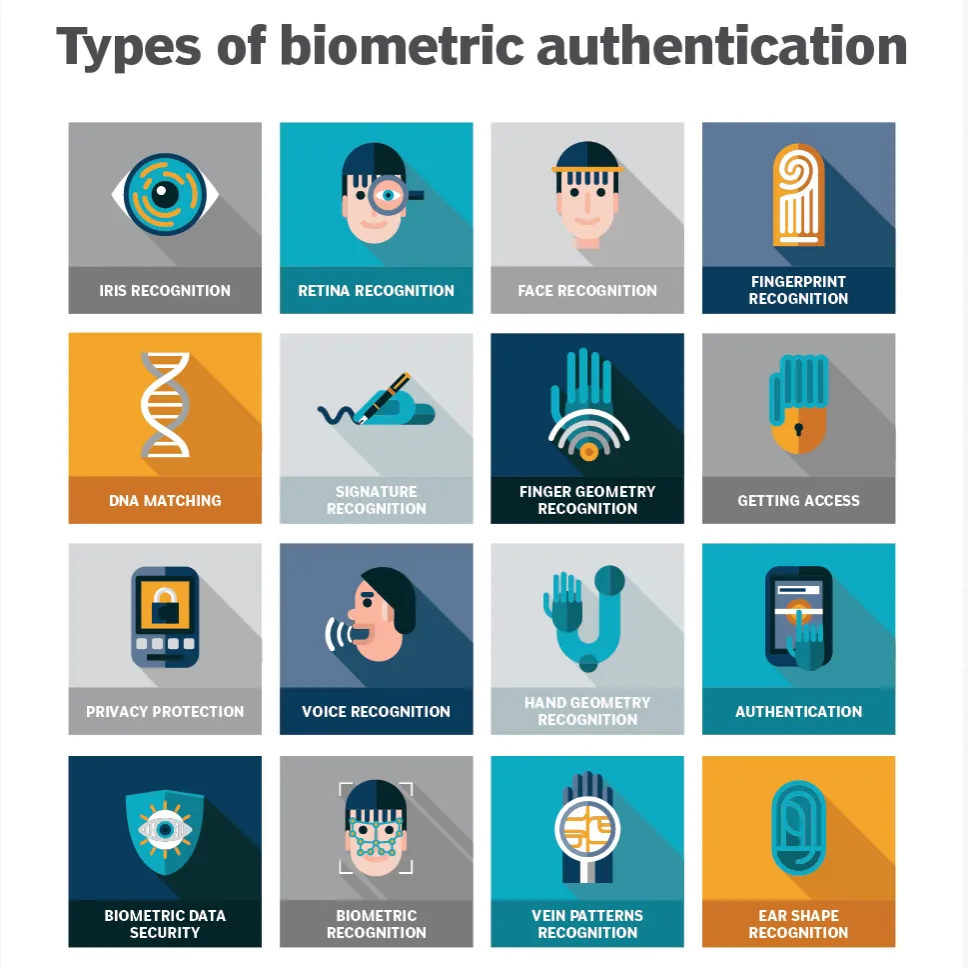
Biometric systems offer an answer to this issue, as they cannot be shared. However, there are other challenges, such as environmental factors that can affect the accuracy of readings. For example, fingerprint readers may not work well for users with dirty or gloved hands, and facial recognition systems may require specific lighting conditions.
Additionally, privacy concerns around biometric data can vary by region, with some jurisdictions imposing stringent regulations on the storage and processing of biometric information.
A Customized Approach to Access Control
The choice between RFID and biometrics should be guided by the specific needs of your facility. RFID is an excellent option for high-volume, low-security environments where efficiency is key. Biometric systems, on the other hand, are ideal for high-security areas that require absolute identity verification.
For many organizations, a hybrid solution that combines both technologies can offer the best of both worlds. RFID for general access and biometrics for high-security zones is a flexible, scalable approach that meets a variety of needs.