The Function and Importance of Guidance Screens in Parking Guidance Systems
In recent years, due to the surge in the number of vehicles, parking has become an increasingly serious challenge both domestically and internationally. Long queues for parking and difficulty finding parking spaces are frustrating problems for many people who choose to travel by car. To address this problem, parking guidance systems(PGS) have emerged, and parking guidance screens play a very important role, becoming a very popular smart parking solution. These electronic displays provide drivers with real-time information, including available parking spaces, navigation routes, and even payment details, greatly improving the overall parking experience.
What are parking guidance screens?
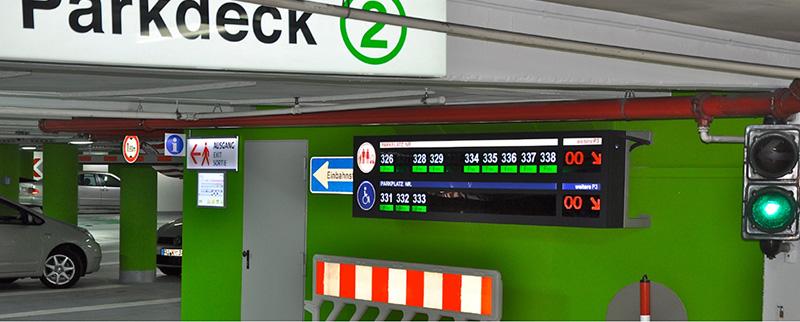
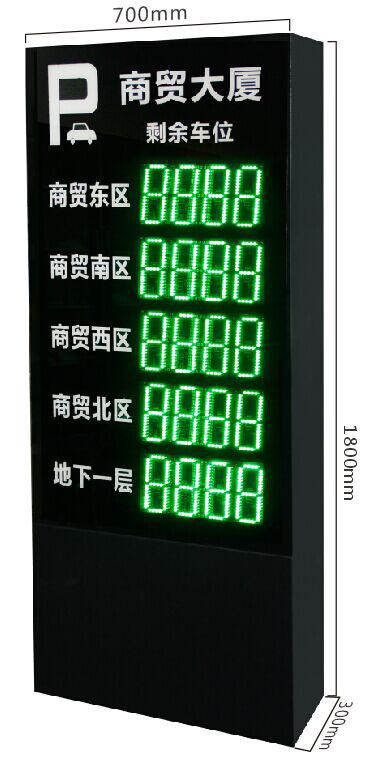
Parking guidance screens are intelligent electronic devices installed inside or outside parking lots, used to display available parking spaces in real time and guide drivers to empty spaces. They help improve efficiency, alleviate congestion in parking lots, and optimize parking management.
Main Advantages:
1. Improved parking efficiency: Drivers can see the number of available parking spaces displayed on the guidance screen outside the parking lot. After entering the parking lot, they can quickly find an available parking space based on the information and directions displayed on the internal guidance screens.
2. Easier management for parking lot operators: Real-time data helps operators monitor the usage of each parking space in the parking lot, allowing them to adjust the layout and improve planning based on usage patterns.
3. Reduced traffic congestion: Effectively reduces the time drivers spend searching for parking spaces, lowering traffic flow and vehicle emissions within the parking lot.
Key Features of Parking Guidance Screens:
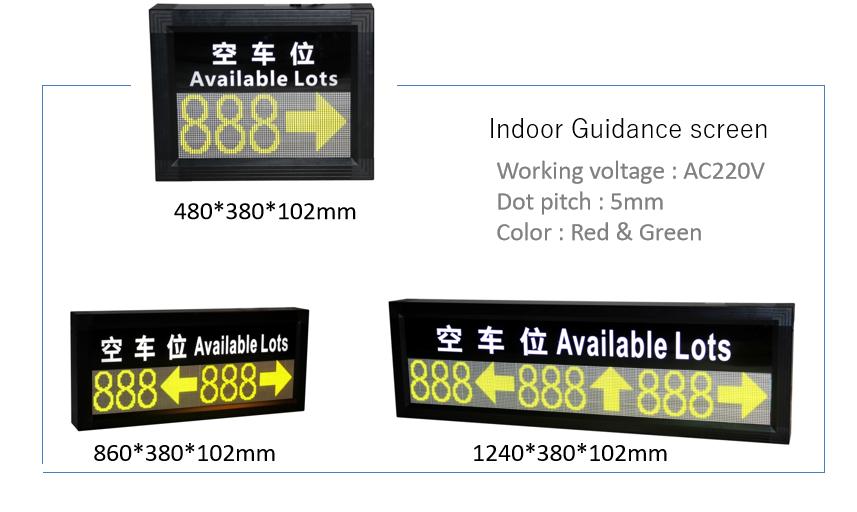
Parking guidance screens are equipped with several key features that significantly improve parking efficiency and user experience. Firstly, they display real-time parking space information, collecting data via sensors or cameras to help drivers find parking quickly. These screens also provide visual navigation support, using arrows or on-screen maps to guide drivers to the nearest available parking space. To serve a wider range of users, these systems typically include multi-language interfaces. Furthermore, these systems collect and analyze data, helping operators better understand the operational status of their parking facilities.
Working Principle:
The parking guidance system relies on the integration of detection, communication, and display technologies. Sensors or cameras are used to monitor the occupancy status of each parking space. This data is continuously transmitted to a central server for real-time processing. After analysis, the relevant information is displayed on guidance screens located throughout the parking lot. To ensure accuracy, this information is frequently updated, allowing drivers to rely on the screens for the latest navigation information.
Advantages and Impact:
Parking guidance systems offer significant advantages for both users and operators. These systems help drivers quickly find parking spaces, thereby improving overall space utilization, reducing unnecessary vehicle movement within the parking lot, and saving time and fuel. In turn, this helps reduce driver frustration from not being able to find a parking space, improving customer satisfaction. From an operational perspective, these systems reduce the need for manual intervention and provide valuable data for smarter management decisions. In short, parking guidance screens have become an indispensable key element in the development of efficient and convenient urban parking solutions.
ZOJE Parking Guidance System is mainly applicable to large and medium-sized underground parking lots, and is widely used in public parking lots such as government office buildings, railway stations and shopping centers.